
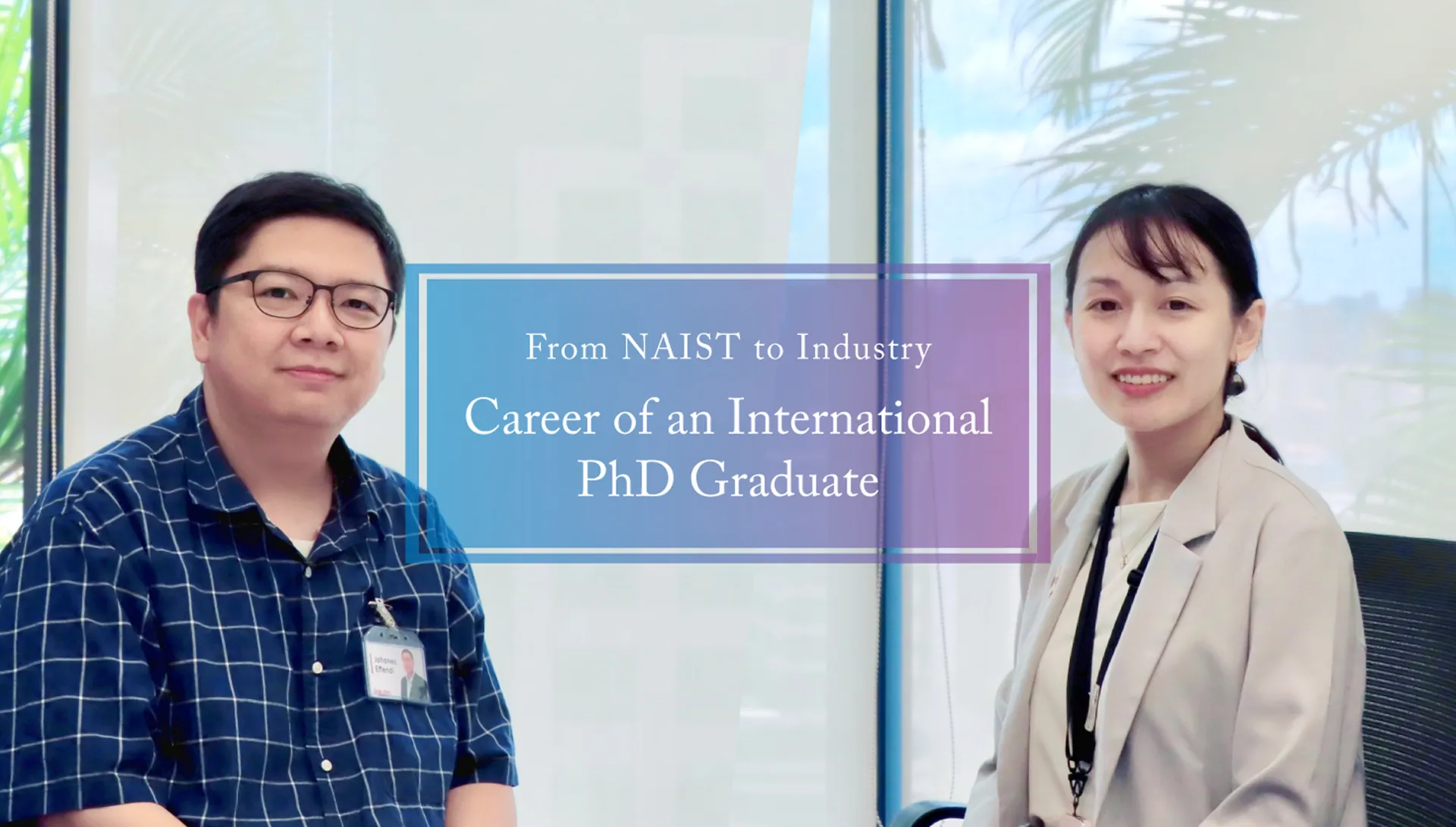
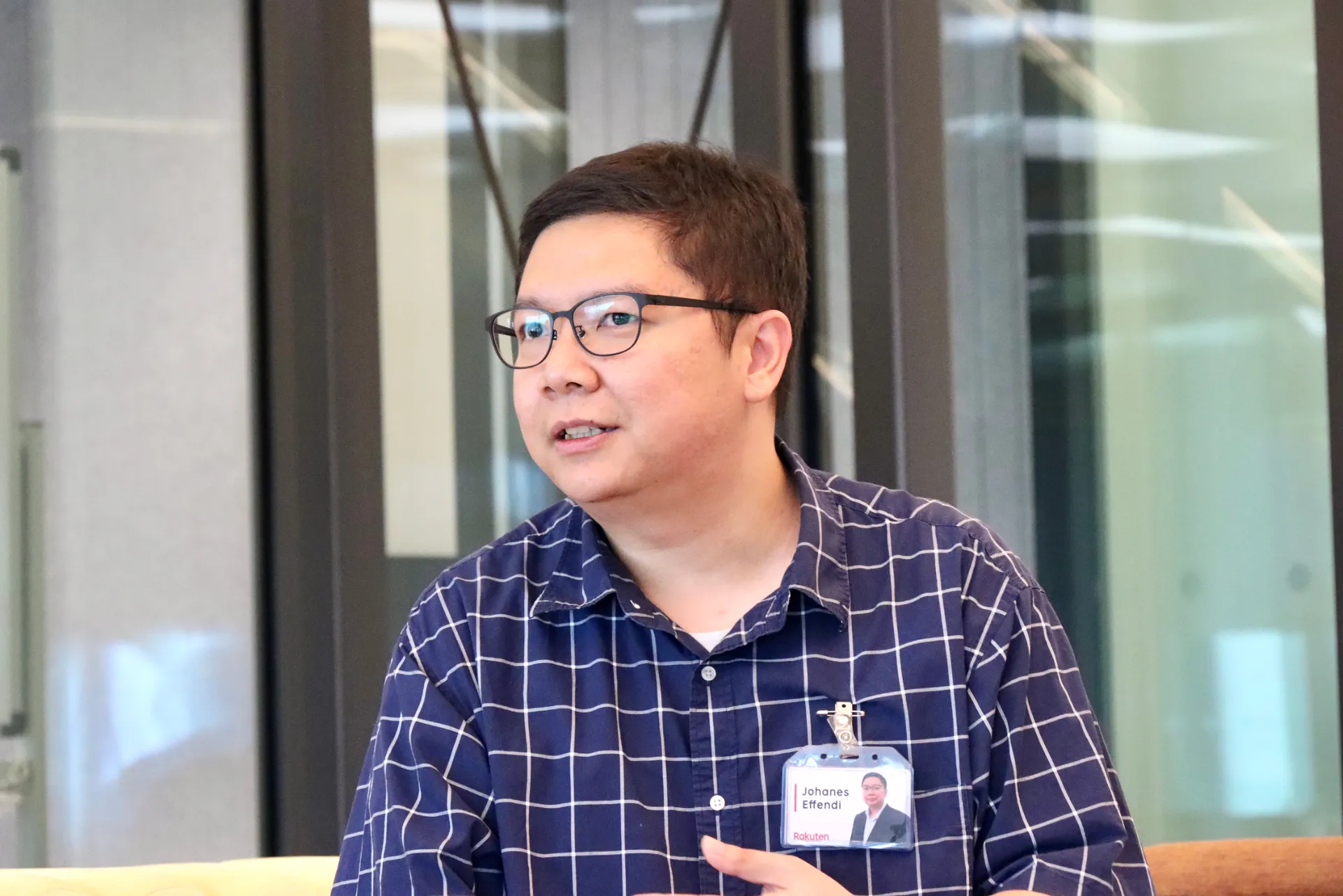
Johanes Effendi(NAIST Alum)
Senior Research Scientist, Frontier Research Department (FRD), Rakuten Asia, Pte. Ltd.
Johanes Effendi is originally from Indonesia and currently based in Singapore.He is a senior senior research scientist at the Frontier Research Department (FRD), focusing on natural language processing (NLP), particularly large language models (LLMs) and generative AI. He has a background in computer science from Universitas Indonesia and holds both a master's and a PhD from the Nara Institute of Science and Technology (NAIST), Japan. His research interests include large-scale LLM training and evaluation, Japanese and multilingual language technologies, and the development of efficient and practical LLM systems.
Pearlyn Yap(Interviewer)
External Advisor (International Student Career Advisor), NAIST Deputy General Manager, International Human Resource Development Division, Mori Kosan
Pearlyn Yap is originally from Singapore and currently based in Japan, graduated from the National University of Singapore with a degree in Psychology. During her studies, she also participated in an exchange program at Kyoto University, which led her to pursue her career in Japan. Since joining Mori Kosan in 2019, she has been engaged in strengthening collaboration with academic institutions in Japan and overseas, as well as promoting the success of international talent.
Bringing Japan-made AI to the World Stage

It’s nice to meet you Johanes, I am Pearlyn, a Singaporean and the new career advisor at NAIST. I basically handle career consultations in English for international students.

It’s nice meeting you, thank you for coming to visit. I am happy to share my experience.
Great! Could you start by telling us about your company, your current job/research and your role?
I currently work as a senior research scientist in the
Frontier Research Department (FRD) at Rakuten Group. Our team
is responsible for the research and development of Japanese
large language models (LLMs) to support Rakuten's businesses
and long-term AI strategy.
Our goal is to accelerate the "AI-nization" (utilize AI in
every aspect of the business to drive further growth at
Rakuten) of the company by building advanced language models
that can be integrated into various products and services
across Rakuten's ecosystem, both in Japan and globally. In my
role, I focus on developing LLMs tailored to Japanese language
and business use cases, and I also contribute to open-source
initiatives such as the Rakuten AI 2.0 LLM to support the
wider Japanese tech community.
Recently, we were selected for the GENIAC Project, a national
initiative led by Japan's Ministry of Economy, Trade and
Industry (METI) and the New Energy and Industrial Technology
Development Organization (NEDO), to accelerate generative AI
development. As part of this project, we are working on
next-generation Japanese LLMs to power highly personalized AI
agents.
https://global.rakuten.com/corp/news/press/2025/0715_02.html?year=2025&month=7&category=corp
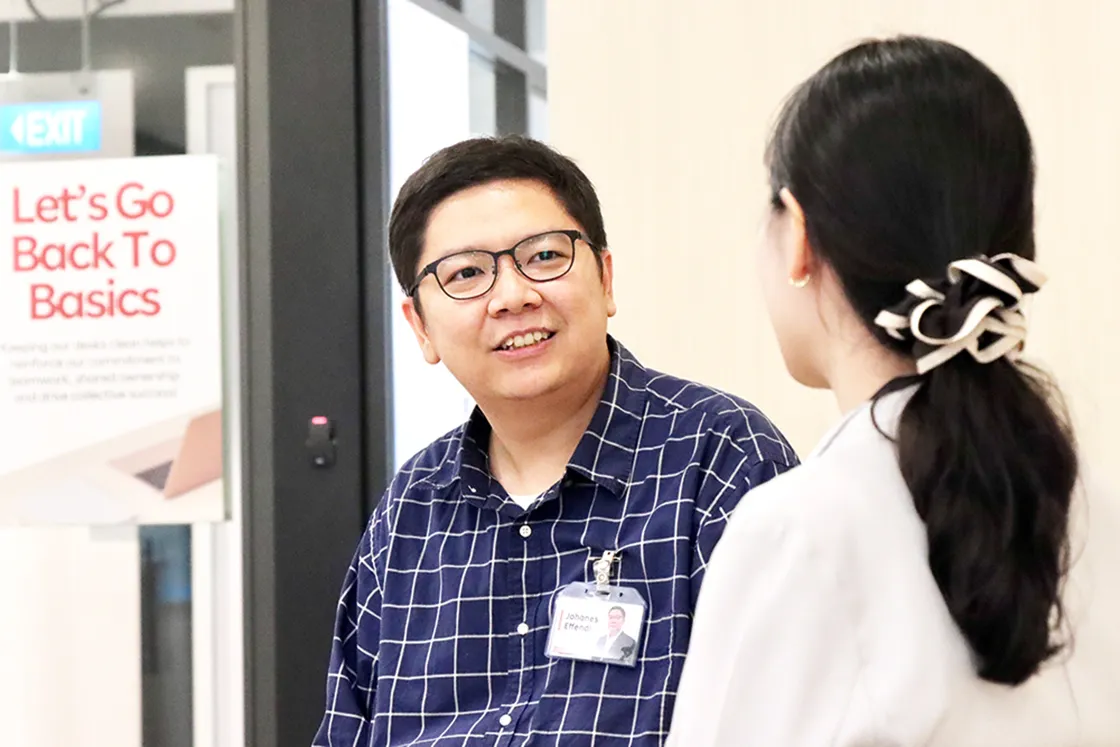
That sounds interesting. At NAIST, we place a strong emphasis on developing PhD talent, so I’m curious — what does that look like in your workplace? Are there many PhD holders, and what kind of role do they play?
Actually, in our team, the proportion of PhD holders is
relatively high — higher than those with a master’s degree.
This is mainly because our work focuses on frontier AI
research and engineering, which really requires a strong
research background.
In terms of expectations, PhD holders are generally expected
to be quite independent. For example, identifying problems,
proposing solutions, and exploring new directions on their
own. They’re also expected to design experiments and evaluate
ideas in a rigorous way.
So it’s not just about executing tasks, but really about driving the direction of the work?
Exactly. And beyond that, we also expect PhD holders to bring
the skills they developed during their doctoral
training—things like critical thinking, rigorous
experimentation, and the ability to deal with open-ended
problems. These are very important when it comes to applying
research ideas to actual model development and contributing to
innovation.
Also, PhD holders often act as a bridge between research and
engineering. We work closely with engineers to turn research
ideas into real systems.
That’s really interesting — the idea of being a bridge between research and implementation. Let me ask you more personally, how do you see the value of a PhD now that you’re working in industry?
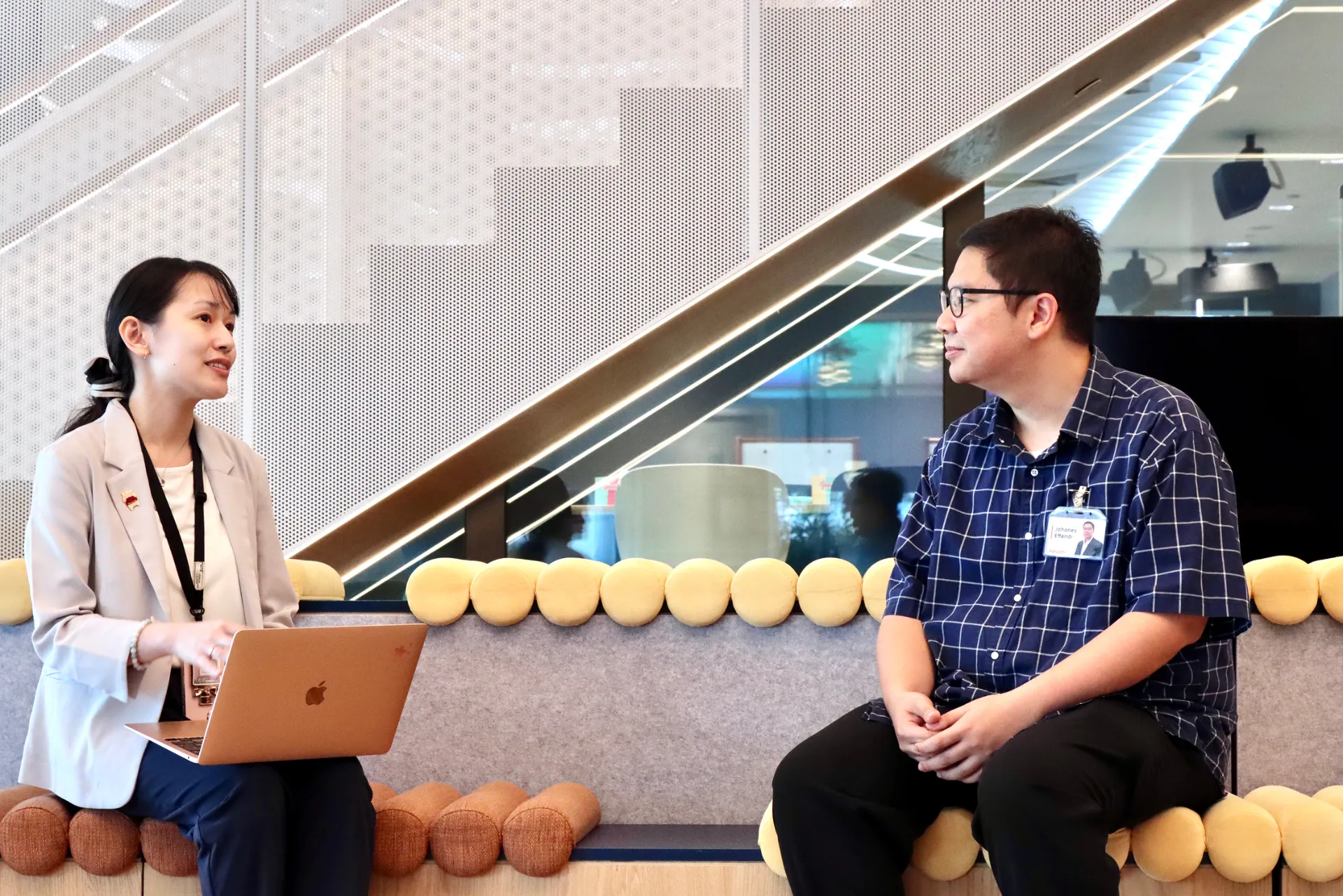
From my experience, I don’t think the value of a PhD lies only in the specific knowledge you learn during the program. Technology evolves very quickly. For example, when I was doing my PhD, generative AI wasn’t really a big thing yet. But now, it’s everywhere, and I’ve had to learn a lot of new things again from scratch.
That’s very true — things evolve so fast.
Yes. So instead of knowledge itself, I think the real value of a PhD is more about the mindset and skills it develops. During a PhD, you learn to ask the right questions before jumping into solutions. It’s about identifying meaningful problems, pushing the boundaries of knowledge, and improving existing methods. To do that well, you need both rigor — keeping up with the latest research — and creativity, to come up with new ideas
So it’s really about how you think, rather than just what you know.
Exactly. For me, the most valuable thing I gained from my PhD is the ability to continuously learn, critically evaluate new ideas, and build on top of them. Those skills are useful no matter where you are — whether in academia or in industry.
That sounds fascinating! I believe many of your juniors in NAIST would be interested to know, so could you describe your usual workday?
My day typically begins with a sync-up meeting with colleagues
based in Tokyo and the US. Lunchtime is a shared experience
with the team at our office cafeteria, where our culturally
diverse team, representing various parts of the world, often
enjoys lively conversations and exchanges of unique
perspectives.
Our work style balances focused individual work with
collaborative discussions. We dedicate time to deep work on
ongoing tasks, strategic planning toward our objectives, and
sharing insights from the latest research publications. This
blend creates a dynamic and intellectually stimulating work
environment.
Looks like you’re having fun at work! Some more questions on behalf of your juniors- How did you find this job and why did you decide to work at your current company?
I discovered this position through LinkedIn. Before applying,
I made sure to consult with several people to get their
insights. I spoke with a lab alumni who was already working at
the company, discussed it with my professor, and also sought
advice from Shinjoh-sensei at the career office. Everyone gave
me positive feedback and valuable guidance on how to prepare
for the interview process.
I joined Rakuten because joined Rakuten because it's a global
innovation company where I, as a research scientist, can work
with unique data and tackle cross-domain challenges across
ecommerce, fintech, mobile, and beyond. Rakuten's clear
mission for empowering people and society through innovation
gives real, intentional purpose to my work. It's not just
about internal metrics; for example, the LLM I developed can
benefit Rakuten and make a tangible contribution to Japanese
society. Finally, thanks to Rakuten's Englishnization
initiative, I could make meaningful contributions from day
one, even without speaking Japanese.
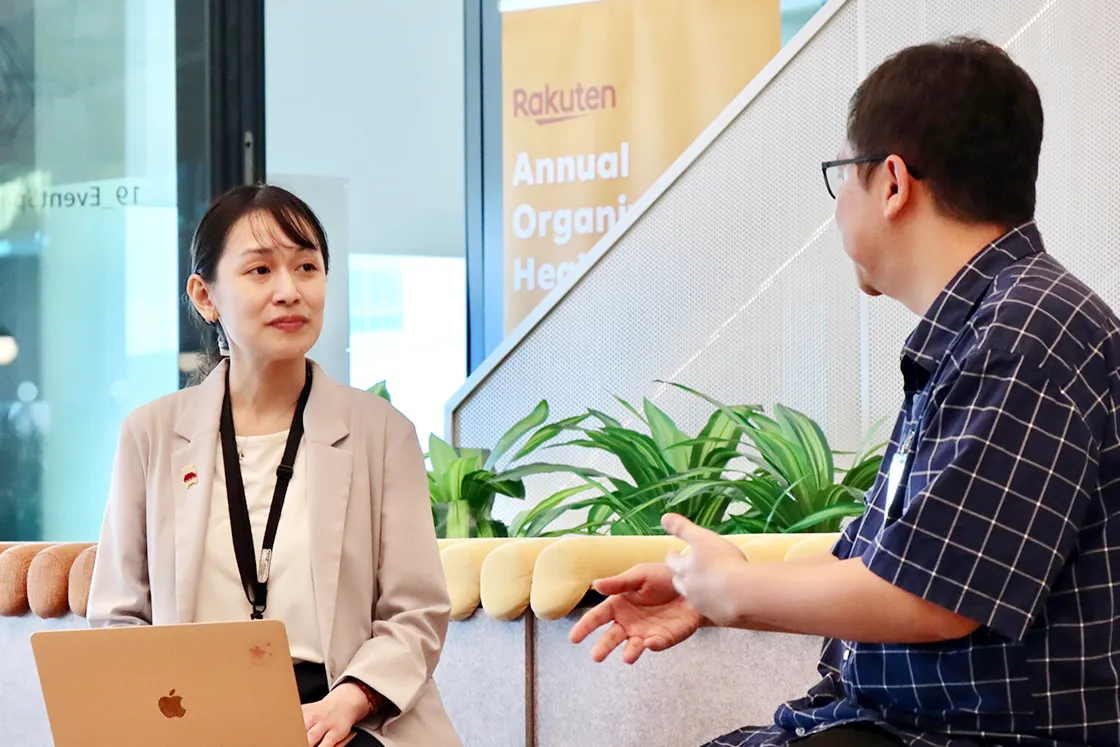
Thank you for sharing, I believe your experience will be helpful for current NAIST students in considering their careers. Could you also share how studying at NAIST has shaped your current professional journey?
My time at NAIST has been instrumental in shaping both my academic and professional endeavors. Being part of a diverse community of international students has not only enhanced my research skills but has also provided invaluable lessons in collaborating and socializing with individuals from various cultural backgrounds. My study at the NAIST AHC Lab was not just about acquiring expertise in cutting-edge speech and language processing technology, it was also a lesson in staying abreast of its constant evolution. In a field that perpetually advances, I learned the significance of pushing beyond one's limits to stay relevant and contribute meaningfully to pushing the frontier of science and technology.
Its encouraging to know that studying at NAIST gears one for careers not only in Japan but also the rest of the world! How was the application for the work permit to work in Singapore?
The company sponsored my employment pass application, which is the work permit required to work in Singapore. They provided support throughout the entire process, and everything was handled online. I was pleased to receive my permit within approximately two weeks of applying.
Wow, 2 weeks is really fast because we have to wait as long as
3 months for a work visa in Japan!
Moving away from work-related topics, I’m sure NAIST students
looking to work in Singapore would like to know about life
here and how you’re settling in. Could you fill us in on that?
Settling into life in Singapore has been a great experience!
The weather here is essentially "always summer," with
occasional rainy days and what I like to call "mini winter"
whenever you step into air-conditioned buildings.
What I find most remarkable about Singapore is how it brings
together people from so many different cultures in one place.
Similar to Japan, everyone I've met has been incredibly
welcoming and friendly. This cultural diversity really shines
through in the food scene. You can find a variety of cuisine
from practically every corner of the world, which has been
amazing to explore.
From a work-life balance perspective, I appreciate that my
company offers flexible working arrangements, allowing us to
work from home two days a week. This flexibility has helped me
optimize my working style depending on my schedule and
circumstances of the day.
Singapore also has many beautiful parks throughout the city.
Following what the locals do, I've taken up the habit of
walking in parks on weekends. My favorite is East Coast Park,
it's a long, breezy stretch right next to the sea that's
perfect for relaxing after a busy week.
The city itself is very convenient, with excellent public
transportation, and most people speak English, which made my
transition much smoother than expected. Overall, I would
encourage my fellow NAIST students to explore international
opportunities, particularly in Singapore. The education and
skills we've gained at NAIST have prepared us well not only
for jobs in Japan, but for the global market as well.
I’m glad to know that you are enjoying both work and life in Singapore! Thank you for sharing your insights with us
You’re welcome! I am happy to share my experience with students!
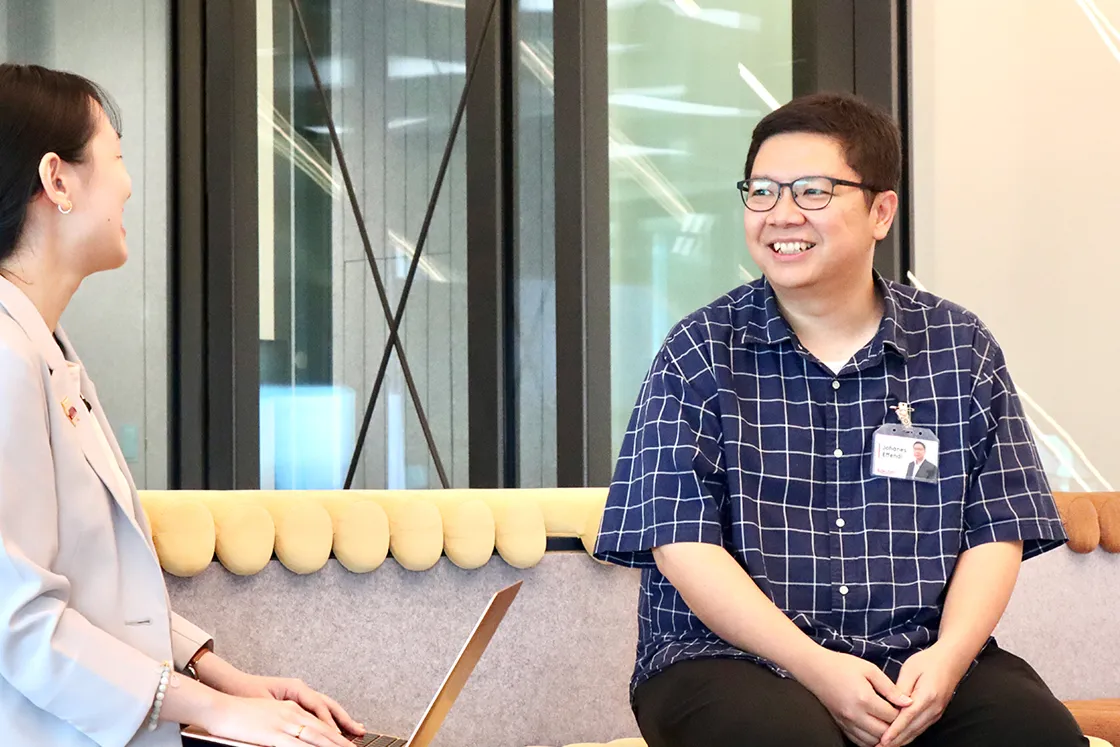
At Nara Institute of Science and Technology (NAIST) , we value diversity and actively welcome international students from around the world. If you are interested in pursuing a doctoral degree at NAIST (including master’s programs), please visit our website for more information!
