
Opinion
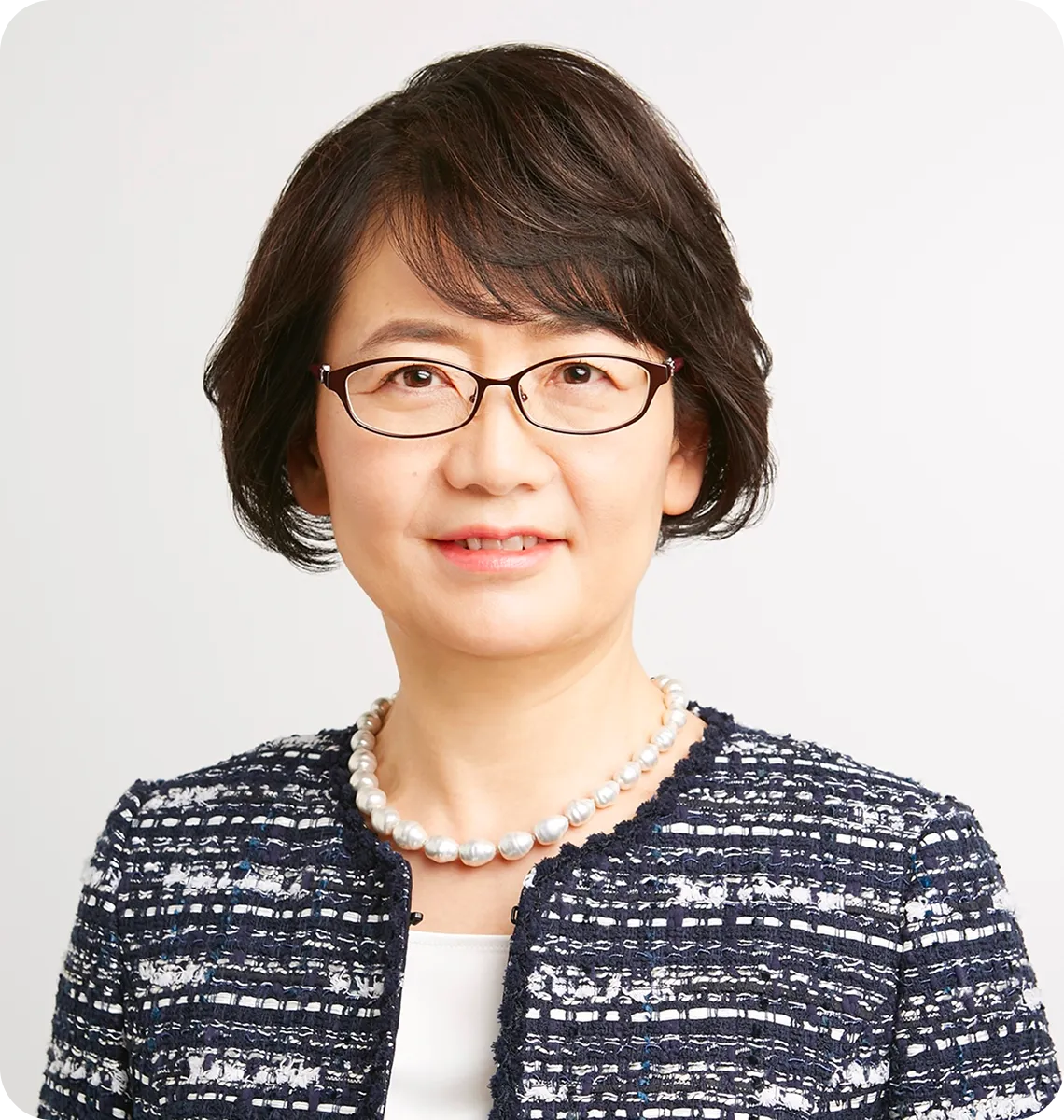
Advisor, TRI-PhD SALON
Chiharu Takakura
Co-Chair of Takakura & Company LLC
Former Chief Human Resources Officer(CHRO), ROHTO
Pharmaceutical Co., Ltd.
Can Japanese Companies Survive as Homogeneous Organizations?
In an era of rapid AI advancement and growing global uncertainty, companies must draw on diverse perspectives, collective wisdom, and advanced expertise to respond to market needs and create value that addresses both business and social challenges.As uniform rules and homogeneous structures are no longer sufficient to generate the value expected of companies, it is essential to build teams of motivated talent from diverse backgrounds, regardless of nationality.Through my experience in business and as an advisor, I have seen that multinational groups of specialists are a powerful driver of global competitiveness, making talent and organizational strategies that enable swift adaptation to change an increasingly critical management priority.
PROFILE:Chiharu Takakura
Ms. Chiharu Takakura joined the Ministry of Agriculture, Forestry and Fisheries in 1983. She received a Fulbright Scholarship to study at Georgetown University in the United States, where she earned an MBA in 1992.She later worked at Sanwa Research Institute, advising companies on organizational restructuring and human resource development, before holding senior HR leadership roles at Pfizer Japan, Novartis Pharma K.K., Ajinomoto Co., Inc., and ROHTO Pharmaceutical Co., Ltd., where she was appointed Chief Human Resources Officer in 2022.She has also served as an Outside Director of NGK Spark Plug Co., Ltd. and Chair of its Sustainability Committee since 2022, and as an Outside Director of Mitsui Sumitomo Insurance Co., Ltd. and Nomura Real Estate Holdings, Inc. since 2023. In 2024, she joined the Advisory Board of Chuo Graduate School of Strategic Management.Throughout her career, she has promoted strategic human resource management and the development of diverse next-generation talent.