DIALOGUE

International PhD Talent:
Not Just an Option, but an Inevitability

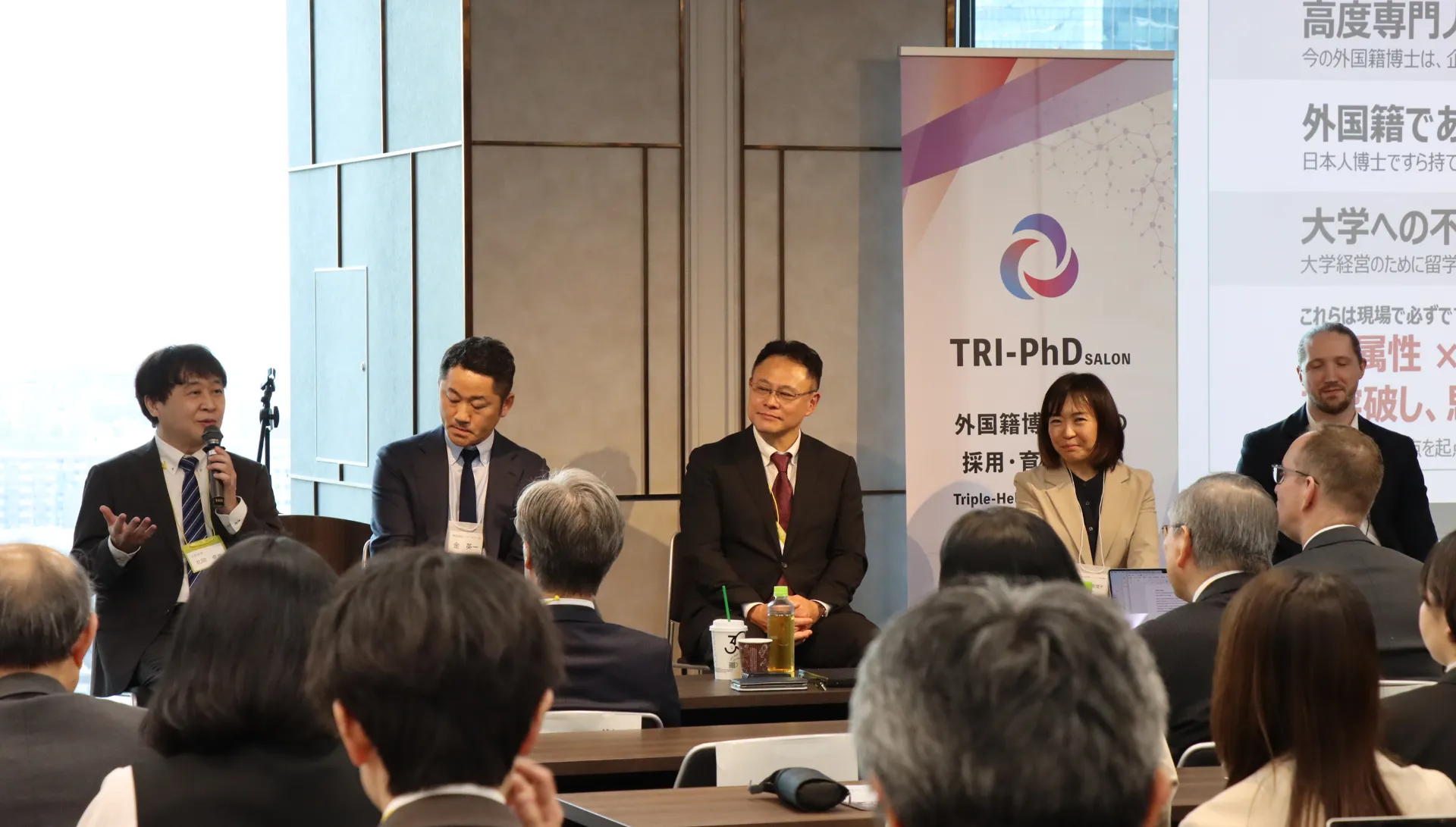
On April 27, 2026, Nara Institute of Science and Technology (NAIST) and Okinawa Institute of Science and Technology (OIST) hosted the kickoff symposium for their joint project, the "TRI-PhD SALON" (Triple-Helix Roundtable for International PhD Talent). Following the main presentations, the event featured a heated panel discussion focused on the challenges and solutions facing Japanese companies.
For a full report on the symposium, please see this article.
Panel Discussion:
Leveraging International Talent for Global Competitiveness

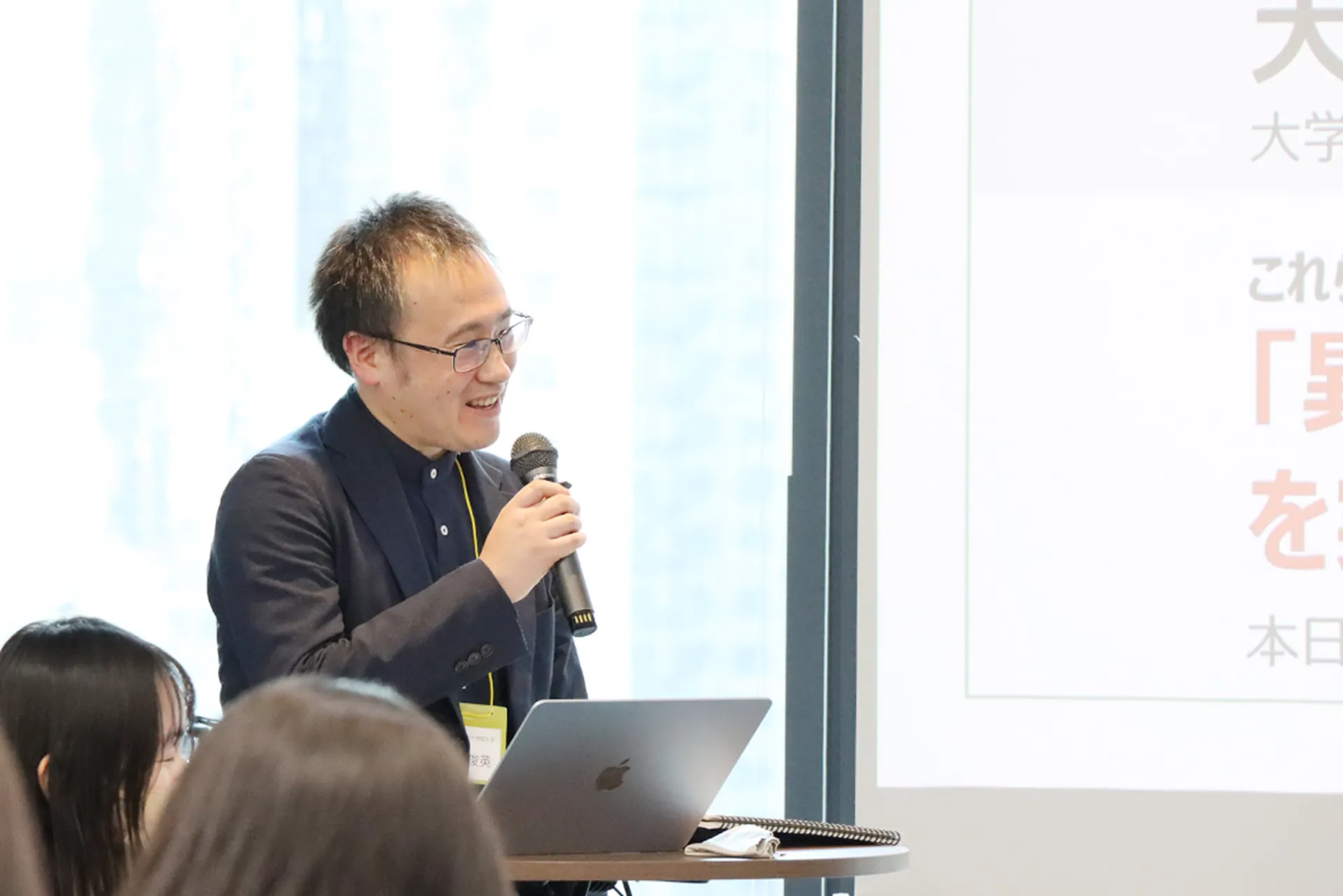
In the latter half of the symposium, a heated discussion took place between five experts from academia and industry and the moderator, Toshihide Yamashita (Specially Appointed Associate Professor and Head of the Career Services Office at NAIST), regarding the challenges and solutions facing Japanese companies. Below are some of the most notable points from the panelists' remarks.

1.  Shifting the Corporate "Operating System"
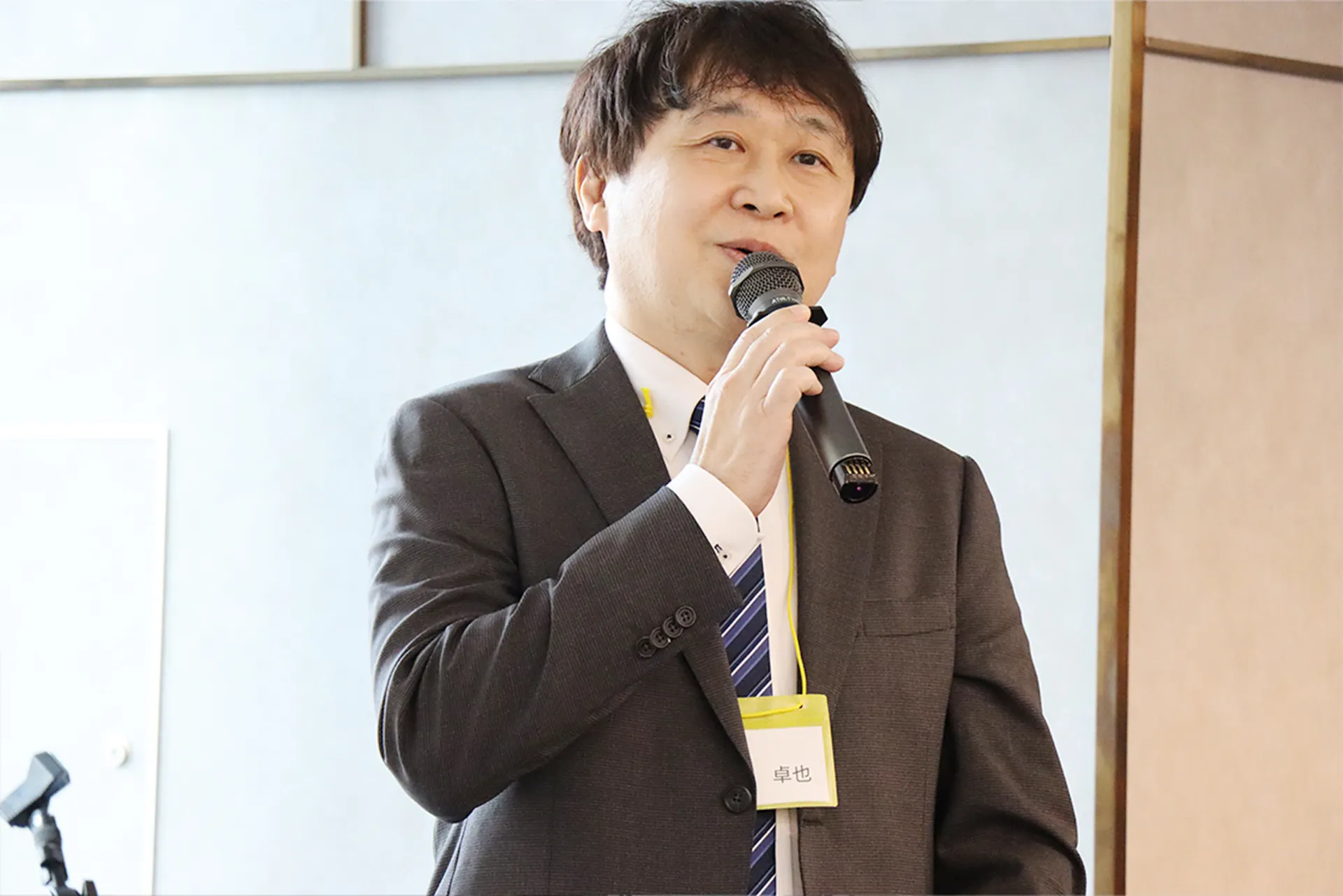
Takuya Kitaoka (Vice President, Kyushu University) argued that the utilization of international PhDs should not be viewed passively as "ensuring diversity," but as a "necessity" for the survival of Japanese organizations. He noted that even a traditional sake brewery selling only to Japanese customers risks its future if it lacks the high-level perspectives provided by international talent. He emphasized that language barriers should not be left to individual effort; rather, organizations must update their "Operating System" (infrastructure) to become truly inclusive.

2. Hiring for Passion over Nationality
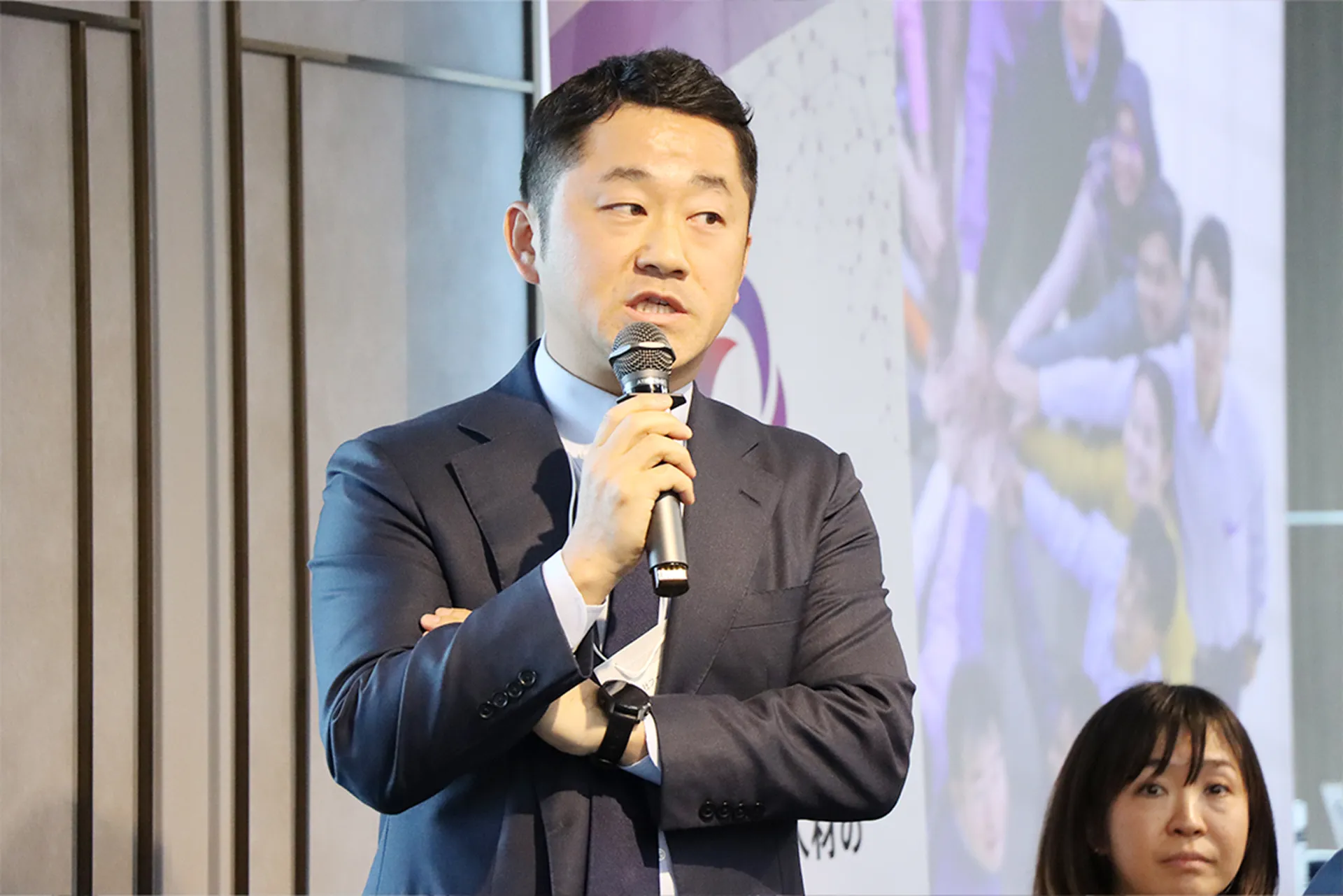
Young-il Kim (Senior Managing Director, Pharma Foods International Co., Ltd.) Introducing their bold policy—"We hire anyone except aliens"—Kim explained that his firm prioritizes "passion" and the ability to articulate future goals over nationality or language proficiency. He highlighted the importance of physical infrastructure, such as Halal and vegetarian options in cafeterias, and proposed that university career advisors participate in corporate internships to better understand the "real-world" needs of industry.

3. Evaluating Individuals Beyond "Labels"
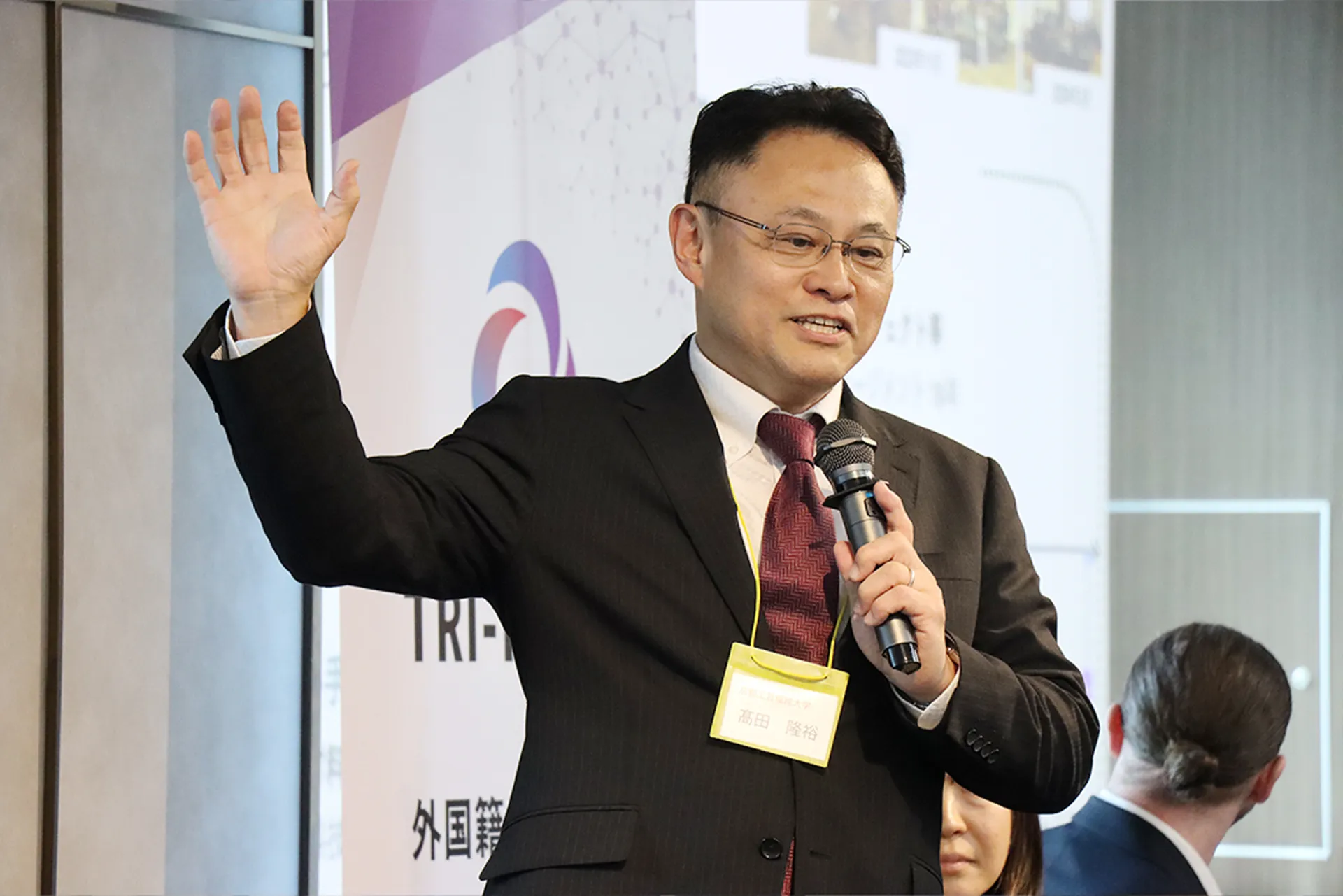
Takahiro Takada (Professor, Kyoto Institute of Technology) Drawing on his experience as a career consultant, Professor Takada criticized the irrationality of using uniform language standards (like JLPT N2) for doctoral candidates. He argued that a "PhD's N2" reflects a different level of dedication and specialized skill compared to an undergraduate's N2. He urged companies to look past the "international" label and focus on "co-creation"—treating every candidate as a unique individual with specific research capabilities.

4. Recognizing Universal Problem-Solving Skills
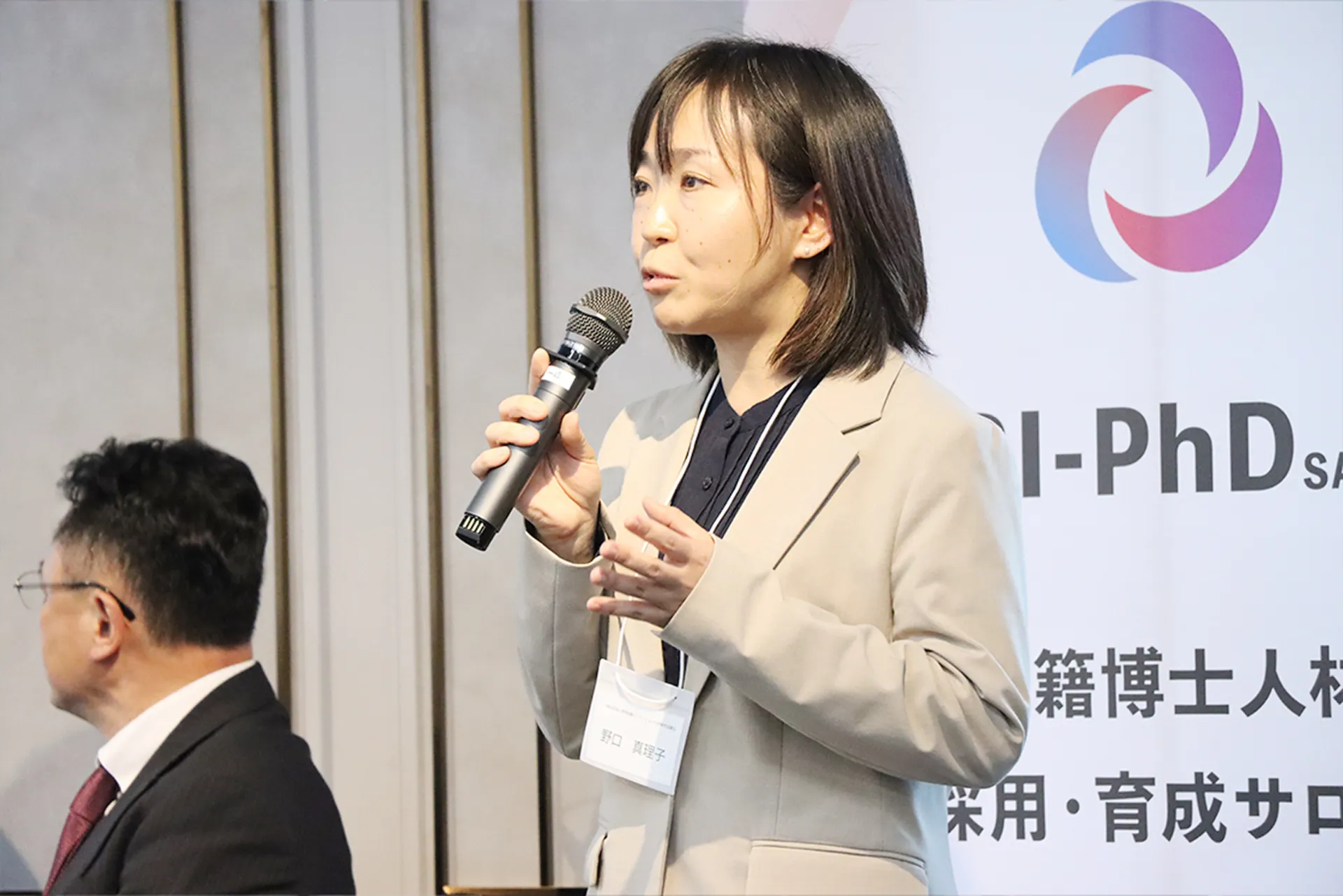
Mariko Noguchi (Manager, C-ENGINE) Noguchi addressed the structural issue where matching rates for international PhDs remain low despite high interest. She warned against companies being overly fixated on exact matches in research specializations during the screening process. She noted that PhD students who participate in internships consistently produce results even in fields outside their expertise, proving the high "general-purpose problem-solving ability" inherent in doctoral training.

5. Creating a Productive Environment

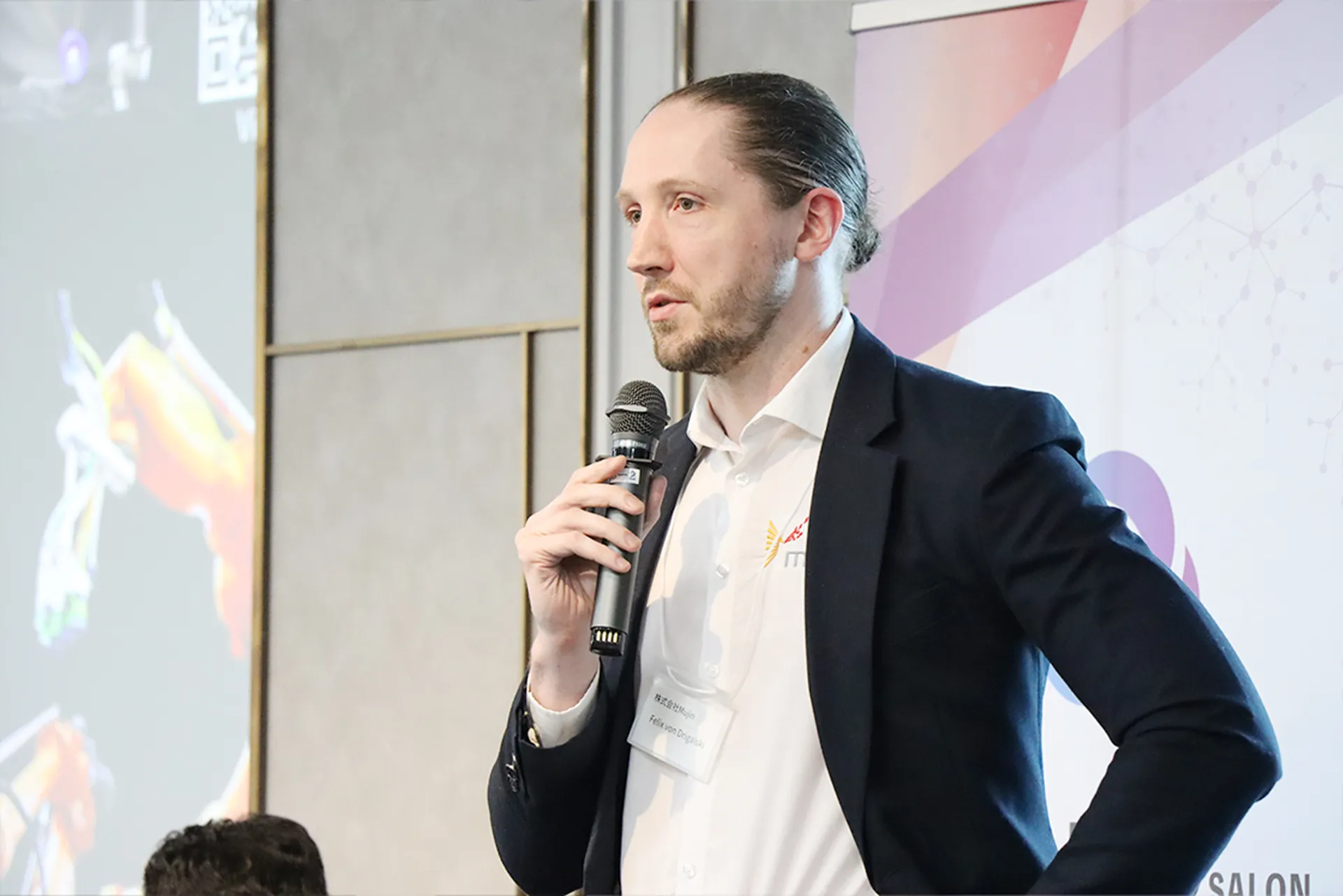
Felix von Drigalski (Global CTO, Mujin Corp.) Speaking from his perspective as a NAIST PhD graduate leading members from 35 countries, von Drigalski was candid: "If forced to do traditional Japanese job hunting (shukatsu), top talent will simply leave Japan". He advocated for year-round recruitment and warned against over-engineering systems. Instead, he argued that organizations should focus on creating a "productive environment" and allowing for "blank space" (free time and space) to foster creativity.

Networking and Future Resolve

The symposium concluded with a lively networking session. In the closing remarks, Hirokazu Kato (Executive Director/Vice President, NAIST) shared a personal anecdote from his days as an engineer, reflecting on how a shift from a narrow technical focus to a "broader perspective" changed his life.
He issued a powerful call to action: "Our shared mission is to pass this beautiful planet to the next generation. For that, borders, universities, and companies do not matter. We must work together". The event ended not with a formal closing, but with the entire room shouting "Ganbaro!" (Let's do our best!) in unison, marking a determined start toward a society where the success of international PhDs is the norm.

For details regarding the full symposium, please refer to this article.

Membership & Inquiries The TRI-PhD SALON is actively seeking corporate and municipal members.
Contact: NAIST Career Services Office
Email: career (at) ad.naist.jp

Back to WEB MAGAZINE