FEATURE

Generating "Empathy" through Triple-Helix

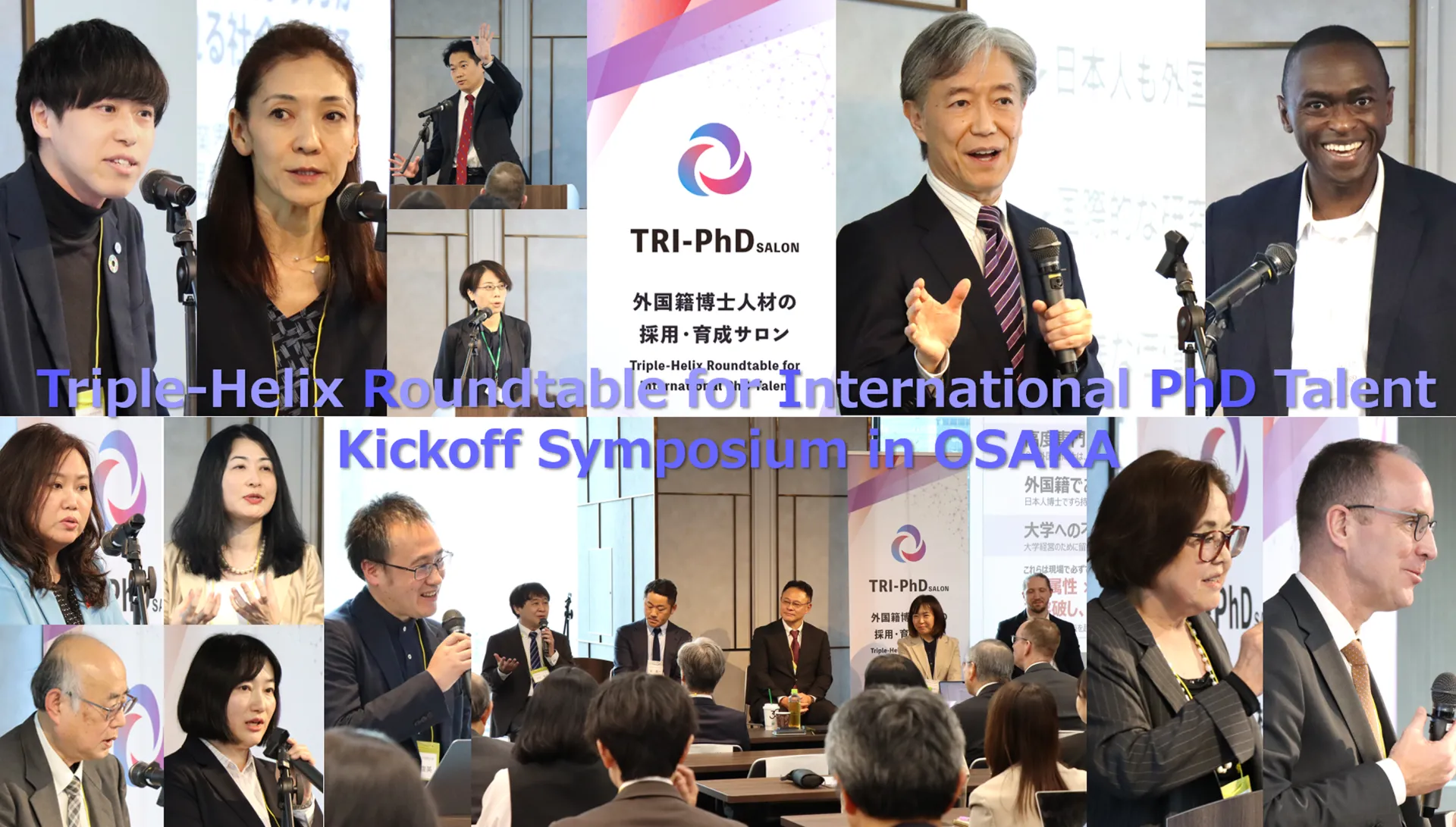
On April 27, 2026, the kickoff symposium for the "Triple-Helix Roundtable for International PhD Talent (TRI-PhD SALON)" was held. This project is a collaborative initiative between the Nara Institute of Science and Technology (NAIST) and the Okinawa Institute of Science and Technology (OIST). The event featured intense discussions that crossed the boundaries of industry, academia, and government regarding how highly specialized international PhD talent can thrive and establish themselves within Japanese industry. Below is a detailed report of the day's proceedings.

Opening Remarks: A Platform for "Empathy" Born from the Bottom Up
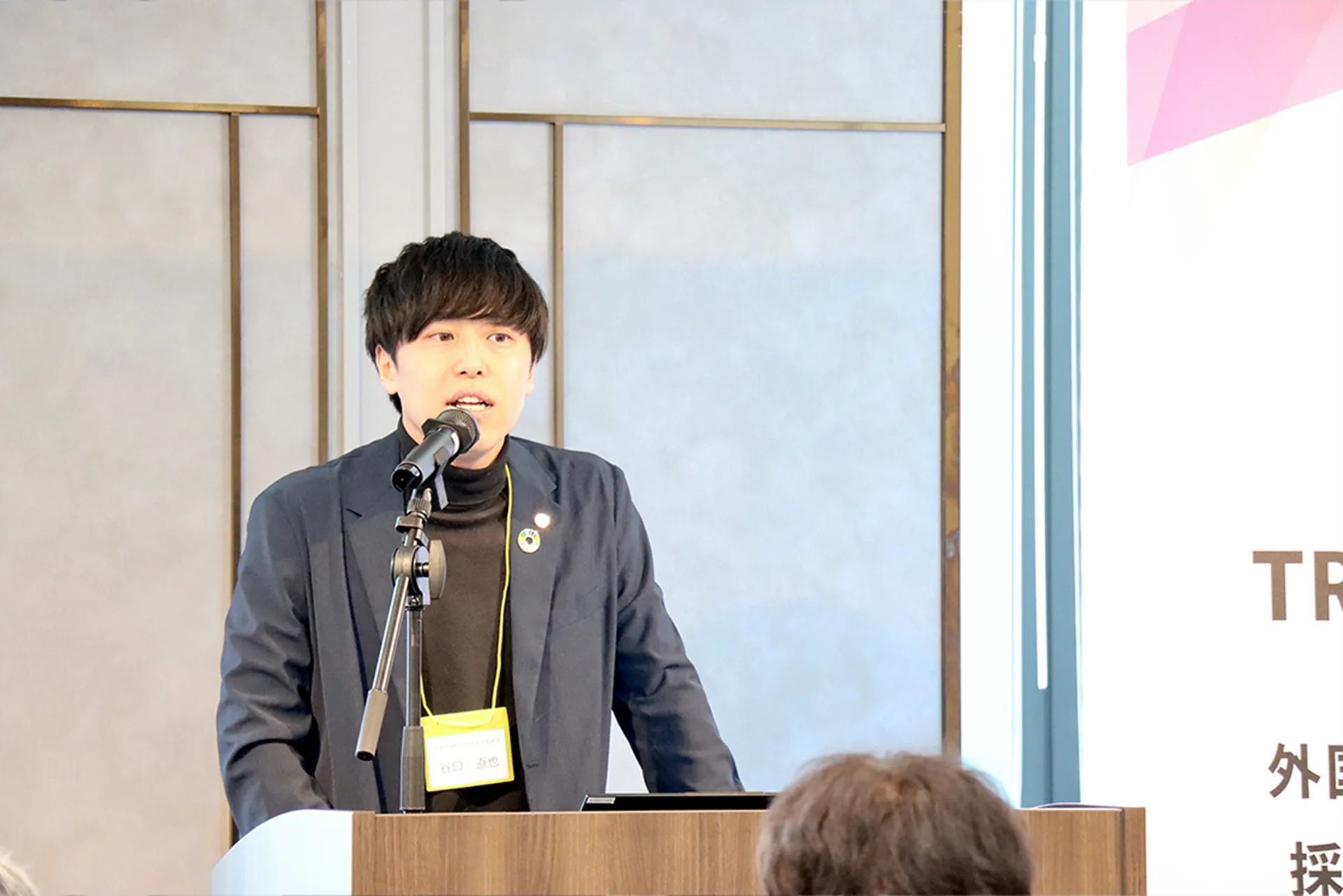
Specially-appointed Assistant Professor, Nara Institute of Science and Technology(NAIST)
Naoya Taniguchi/Represenative of the TRI-PhD SALON

The symposium commenced with an opening address by Naoya Taniguchi, NAIST Specially Appointed Assistant Professor and Representative of the TRI-PhD Salon. He emphasized that this project was not a top-down mandate from an organization, but a "bottom-up initiative" born from his own passion on the front lines and his immediate rapport with OIST’s Aya Puca.
Taniguchi looked back on his student days researching with Indian international students, stating his original motivation was a desire to "deliver the image of pure, hardworking international students to society and affirm them head-on". He spoke with great enthusiasm about the importance of "empathy over persuasion" and his desire to build a new future by standing alongside all stakeholders.

Guest Greetings: Innovation Supported by "Individual Passion" and "Triple-Helix Collaboration"

Following the opening, representatives from government and public institutions shared their congratulations and high expectations for the Salon:
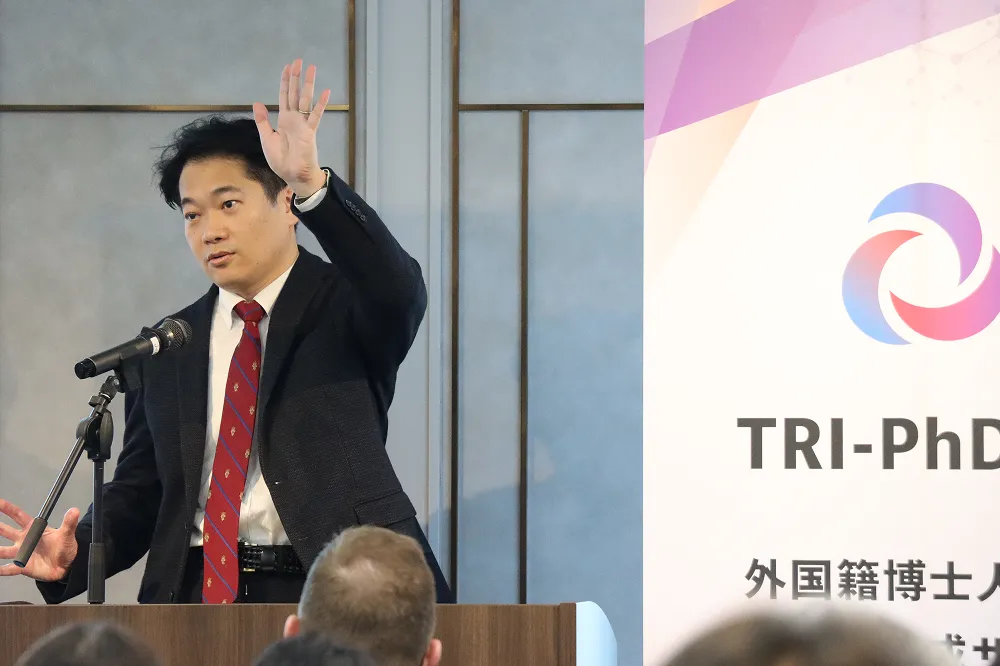
Director-General, Intellectual Property and Global Talent Dept., JETRO
Kenji Saito
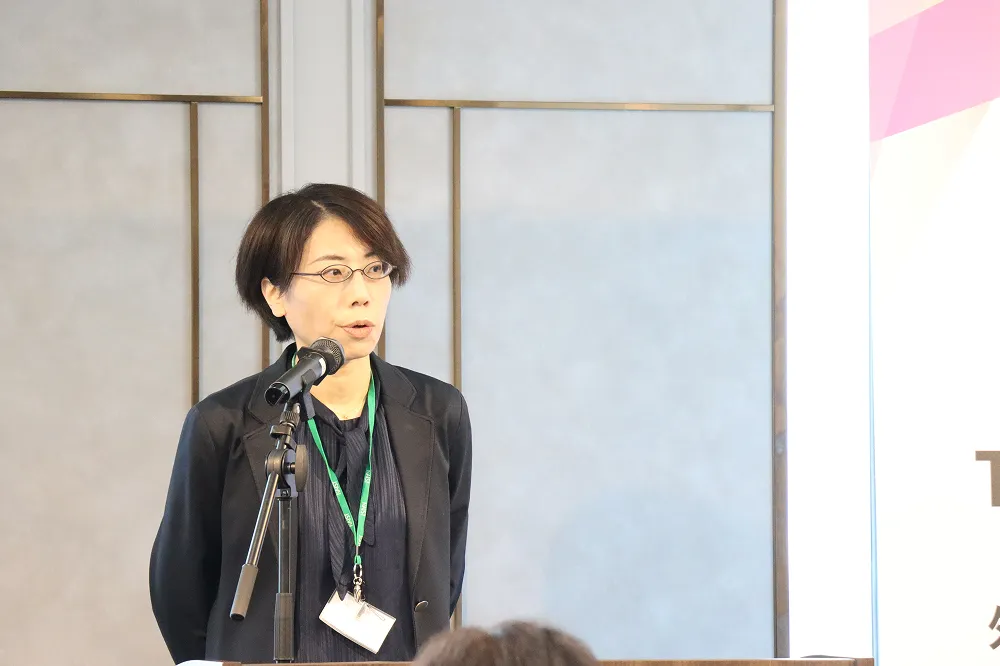
He stated that individual passion is extremely important in the innovation process and that the diverse perspectives and international networks held by international PhDs are valuable assets for Japanese society. He pointed out the importance of academia, industry, and government creating an environment together through dialogue that generates empathy. JETRO provides consistent support from recruitment to training and retention of highly skilled foreign talent including PhDs, to contribute to the sustainable growth of Japanese companies and regional revitalization.

Secretariat of Science, Technology and Innovation Policy, Cabinet Office, Government of Japan
Yasuko Kumaki

She referred to the 7th Science, Technology, and Innovation Basic Plan (Government decision, March 2026), which promotes "strengthening human resource development including young researchers through triple-helix collaboration," "promoting the use of PhD talent in companies," and "promoting international brain circulation in advanced fields". She expressed confidence that the TRI-PhD Salon aligns with these directions and that attracting excellent PhDs with diverse backgrounds is vital for Japan's scientific and technological advancement. The Salon also collaborates with the University Support Forum PEAKS, which contributed significantly to its establishment.

Keynote Speech: Power of Diversity — The Force of "Co-creation"
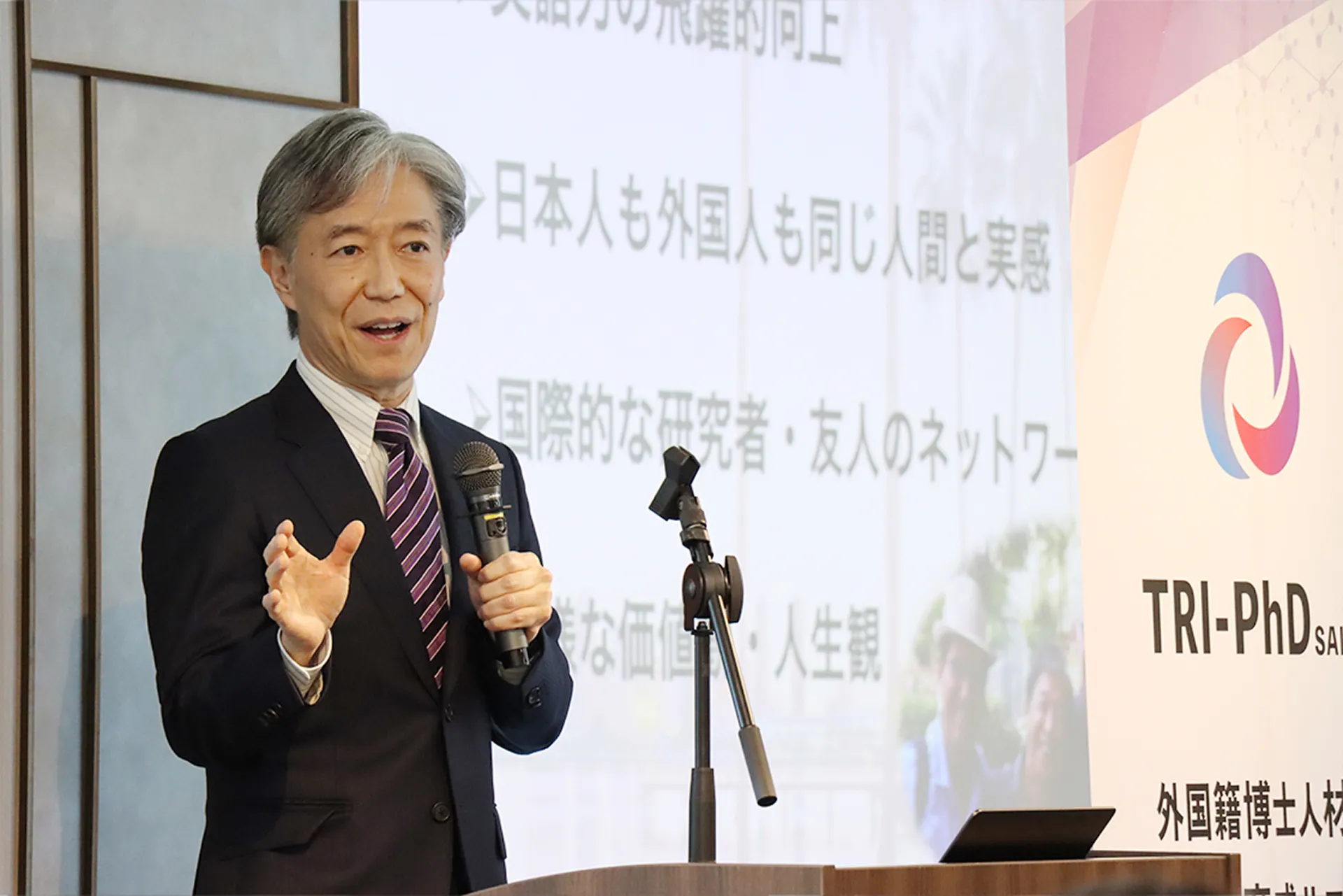
President of the Nara Institute of Science and Technology (NAIST)
Kazuhiro Shiozaki

Kazuhiro Shiozaki, President of NAIST, delivered a keynote titled "Power of Diversity — The Force of Co-creation," providing deep insights based on his 20-year career in the United States.
President Shiozaki reflected on his life in the U.S. as a "game-changer" that transformed his perspectives and values, noting that competing with members of diverse nationalities formed his current foundation. He also mentioned the birth of iPS cells by former NAIST Associate Professor Shinya Yamanaka, which was sparked by exchange between researchers in different fields, to illustrate Joseph Schumpeter’s definition of innovation: "New Combinations". He defined PhD talent as "leader candidates trained in multifaceted problem-solving skills (logical thinking, hypothesis testing, communication, etc.)" and argued that respecting and collaborating through differences—like the diverse companions of MOMOTARO—becomes the energy source for "co-creation".

Project Overview: Activity Plans and Membership Status
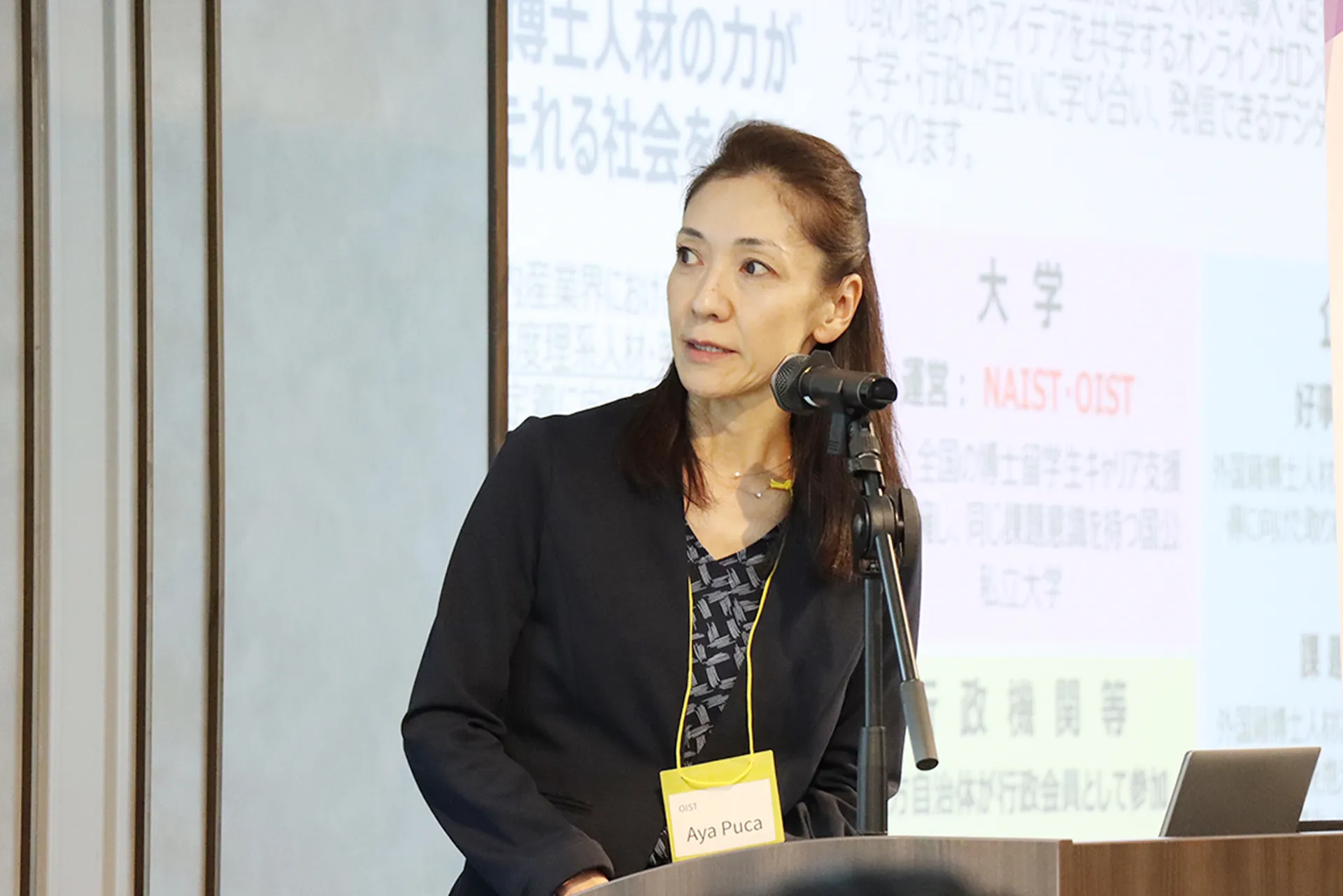
Professional and Career Development Specialist, Okinawa Institute of Science and Technology (OIST)
Aya Puca / Vice Represenative of the TRI-PhD SALON

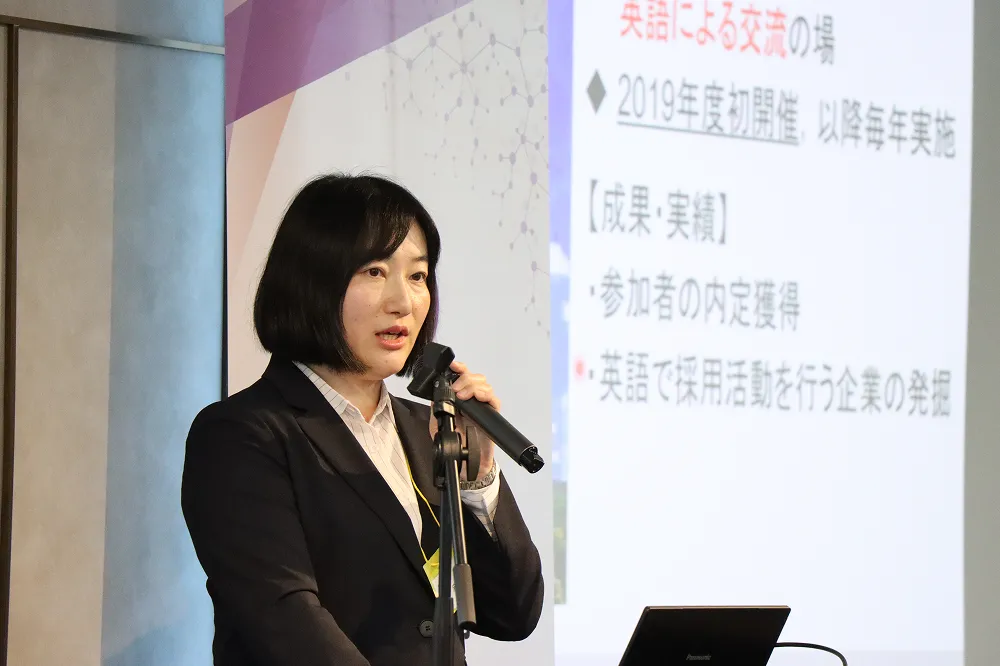
Aya Puca, OIST Professional Career Development Specialist and Vice-Representative of the TRI-PhD Salon, took the stage to explain the background, objectives, and main action plans. She announced the operational structure and current participation status of member universities and companies. She stated the goal is to realize a society where the talents of PhDs are unleashed regardless of nationality or language barriers, and to build a sustainable ecosystem through case-sharing, recruitment/training workshops, and English-based career fairs.

Introductory Lectures: The Front Lines of PhD Support at Member Universities

Four universities presented their leading-edge initiatives for fostering and supporting the careers of international PhD talent:
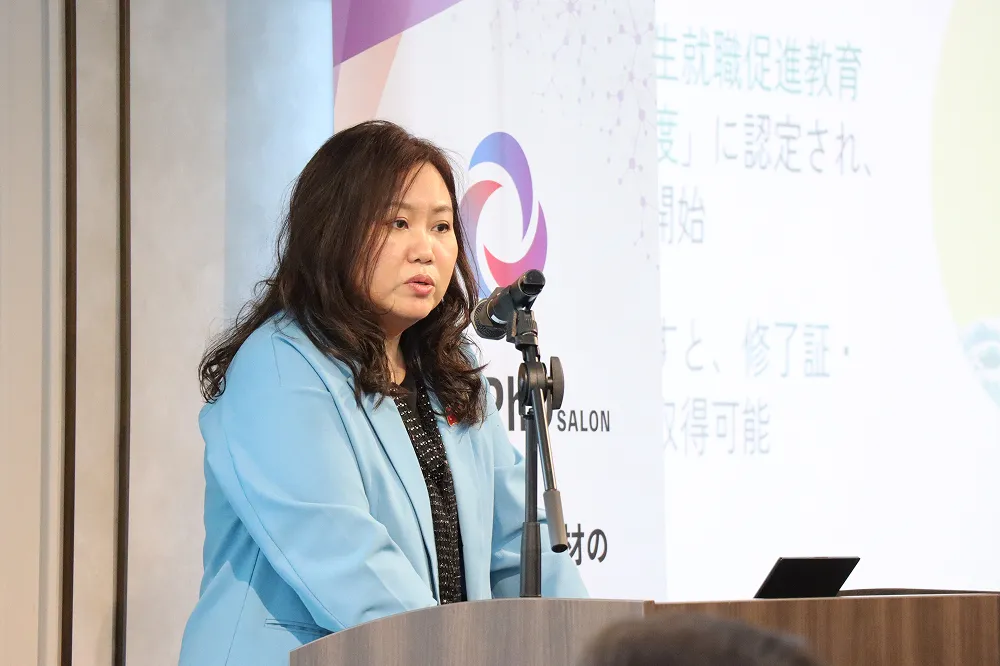
Associate Professor, The University of Osaka
Yao Xin
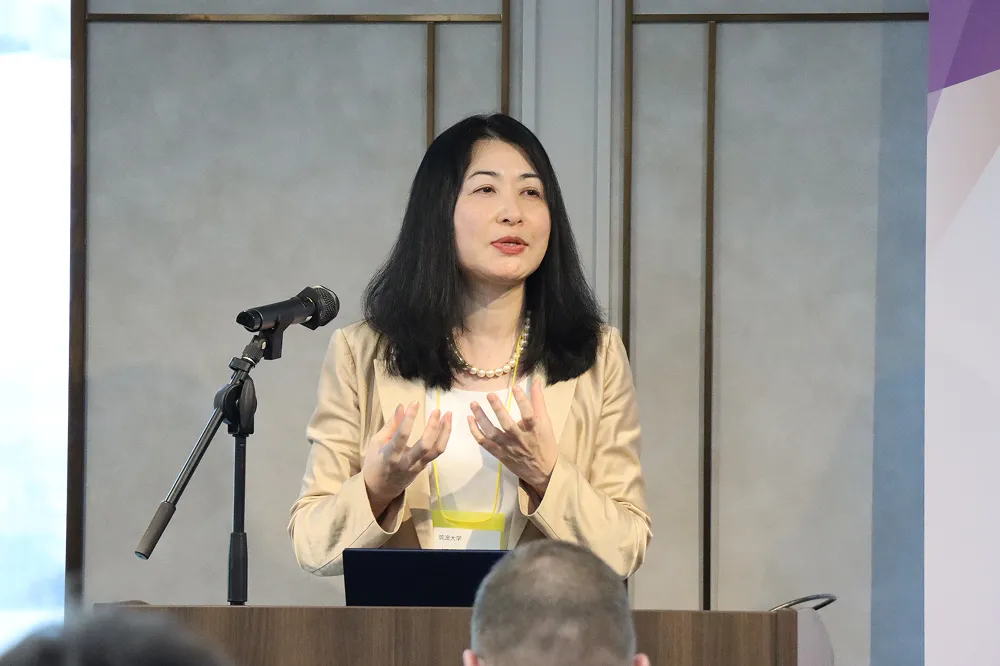
Reported a current status of over 1,000 international students in doctoral programs and introduced the "Career Development Support Program for International Talent (CDSP)" launching in 2026. The program provides Japanese language education, career training, and internships, utilizing "Open Badges" and "Certificates" to ensure the expertise of students is correctly evaluated by Japanese industry.

Specially Appointed Assistant Professor, University of Tsukuba
Misako Fukushima
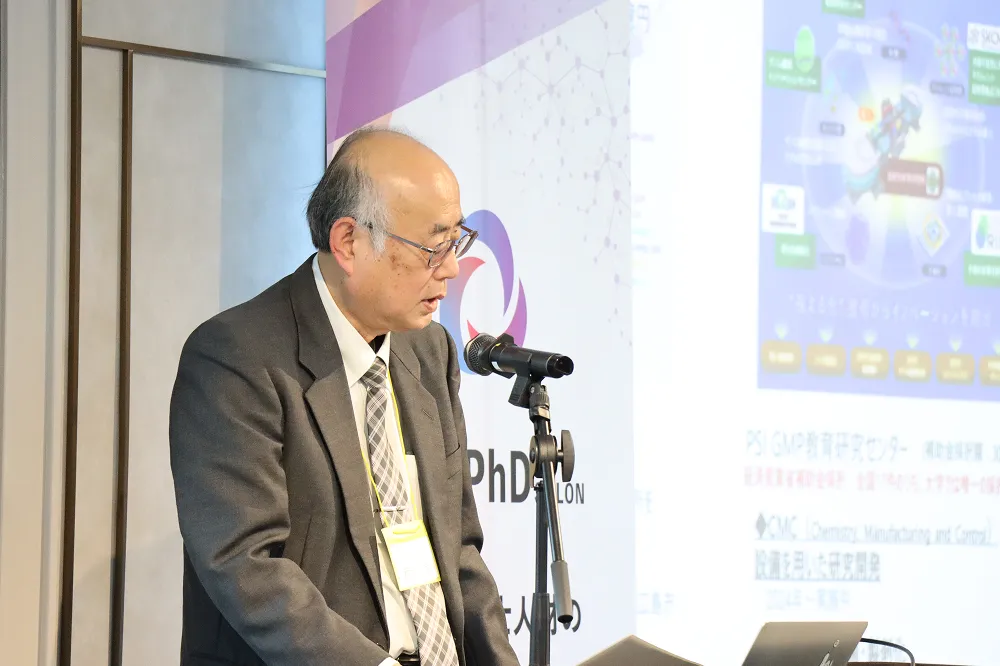
International students account for about 30% of their doctoral students, representing 115 countries and regions. They strengthen support through "Collaborative Graduate School" systems with external research institutes and companies, and the "PhD×FUTURE." matching system. They also use "Shu-katsu JUMP Start", a career support tool that won the Ministry of Education Award, to assist adaptation to Japan’s unique job-hunting culture.

Hiroshima University
Makoto Iwanaga

International students make up about 40% of their doctoral programs. He presented the "Town & Gown" concept, where the university and local government work together to solve regional issues. By establishing an "Industry Advisory Board" of practitioners, they provide a model for expanding PhD career paths into the community. These efforts are expanded across the Chugoku and Shikoku regions through the "HIRAKU" platform.

Specially Appointed Assistant Professor, Hokkaido University
Mariko Katagaki

With international students making up 34.5% of doctoral candidates, she highlighted the importance of fostering both expertise and adaptability. She introduced unique networking opportunities like "CAREER LINK MEETUP(Akai-ito-kai)". She also pointed out the risk of "unconscious bias" when support is strictly divided by nationality, emphasizing the need for career programs designed by degree level and language to allow diverse students to learn from one another.

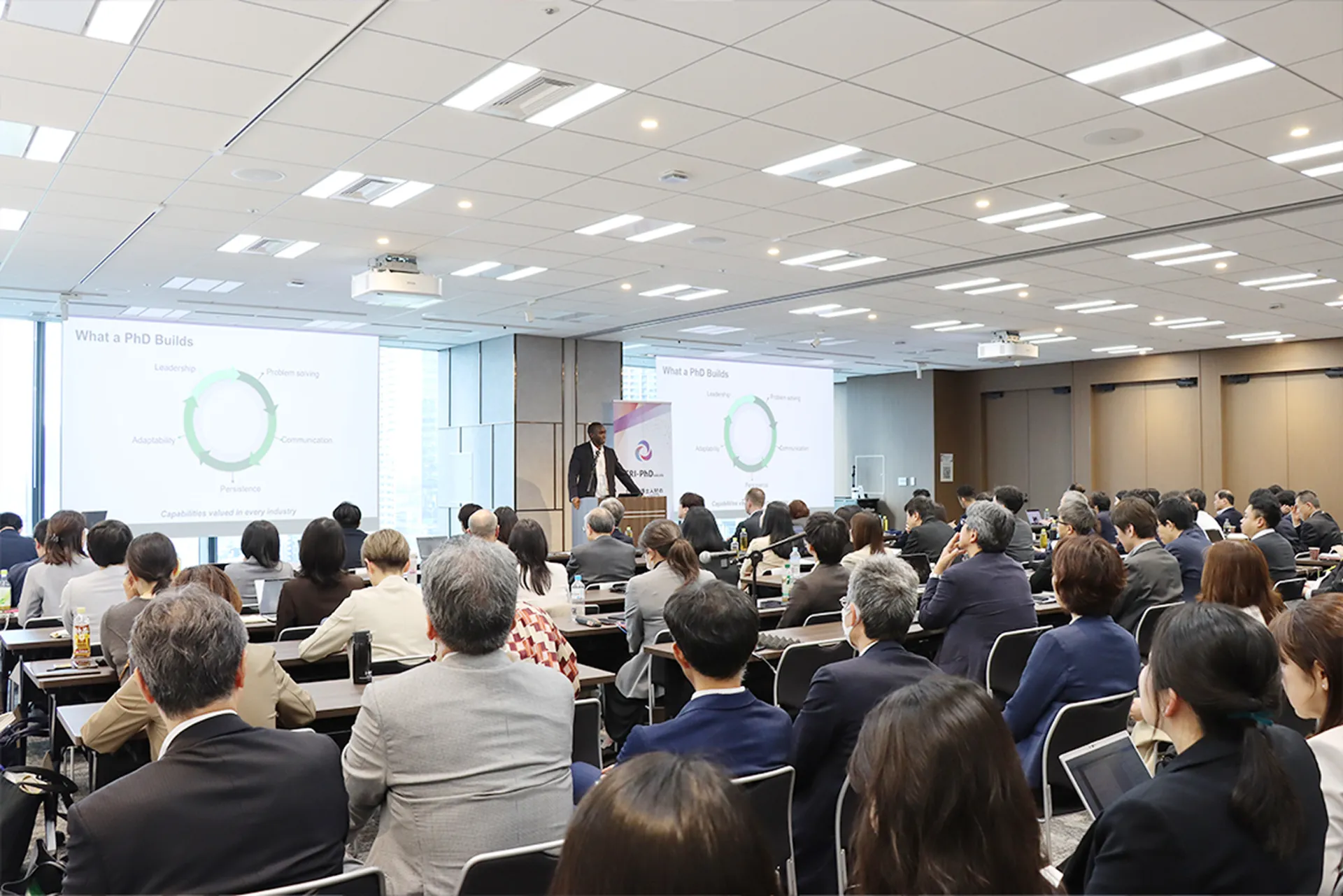
Special Session: From OIST to Industry
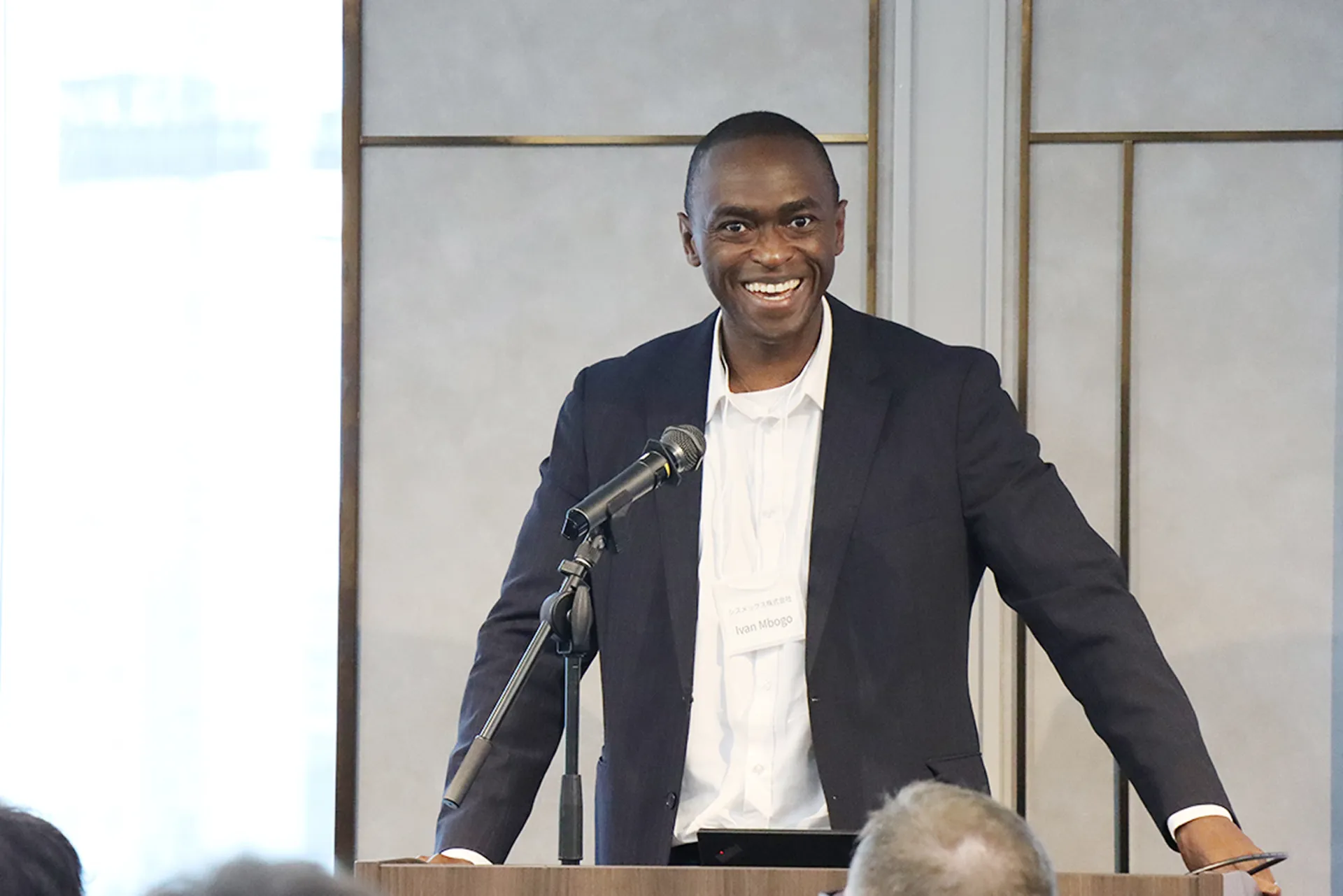
Sysmex Corporation Hematology Business Development Associate
Ivan Mbogo

Ivan Mbogo an OIST alumnus, spoke about his actual experience forming a career in a Japanese company. He emphasized that the problem-solving skills and adaptability cultivated during a PhD are high-level "career training" directly applicable to business. He reflected that community interaction outside the lab was essential for social adaptation. He urged students to "believe in their own value" and encouraged companies to hire for "Capability" and support "Integration" rather than focusing solely on narrow expertise.

Panel Discussion:
"How Can Japanese Society Enhance International Competitiveness by Leveraging International PhD Talent?"
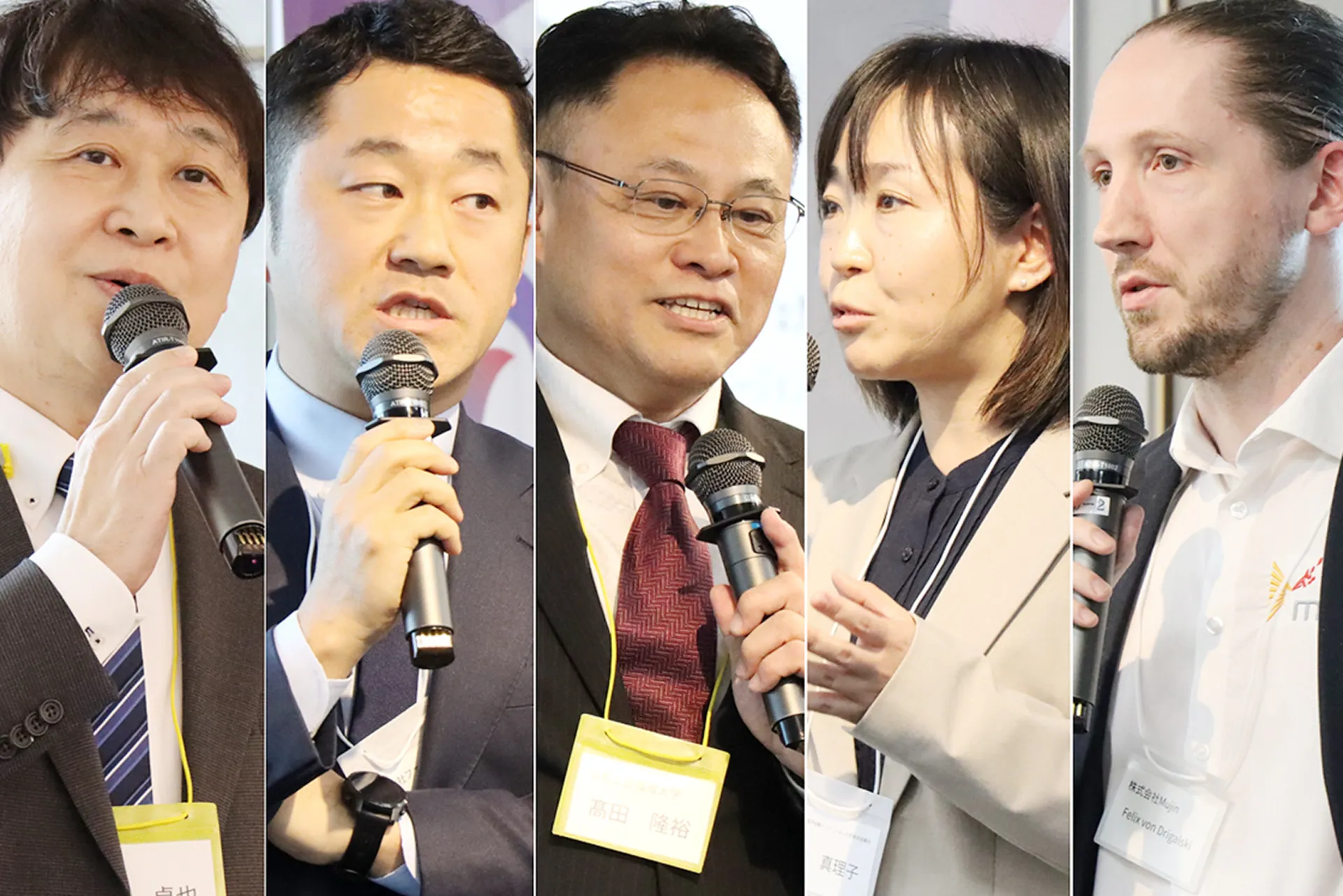
For details regarding the panel discussion, please refer to this article.

Closing Remarks: The Starting Line of Co-creation

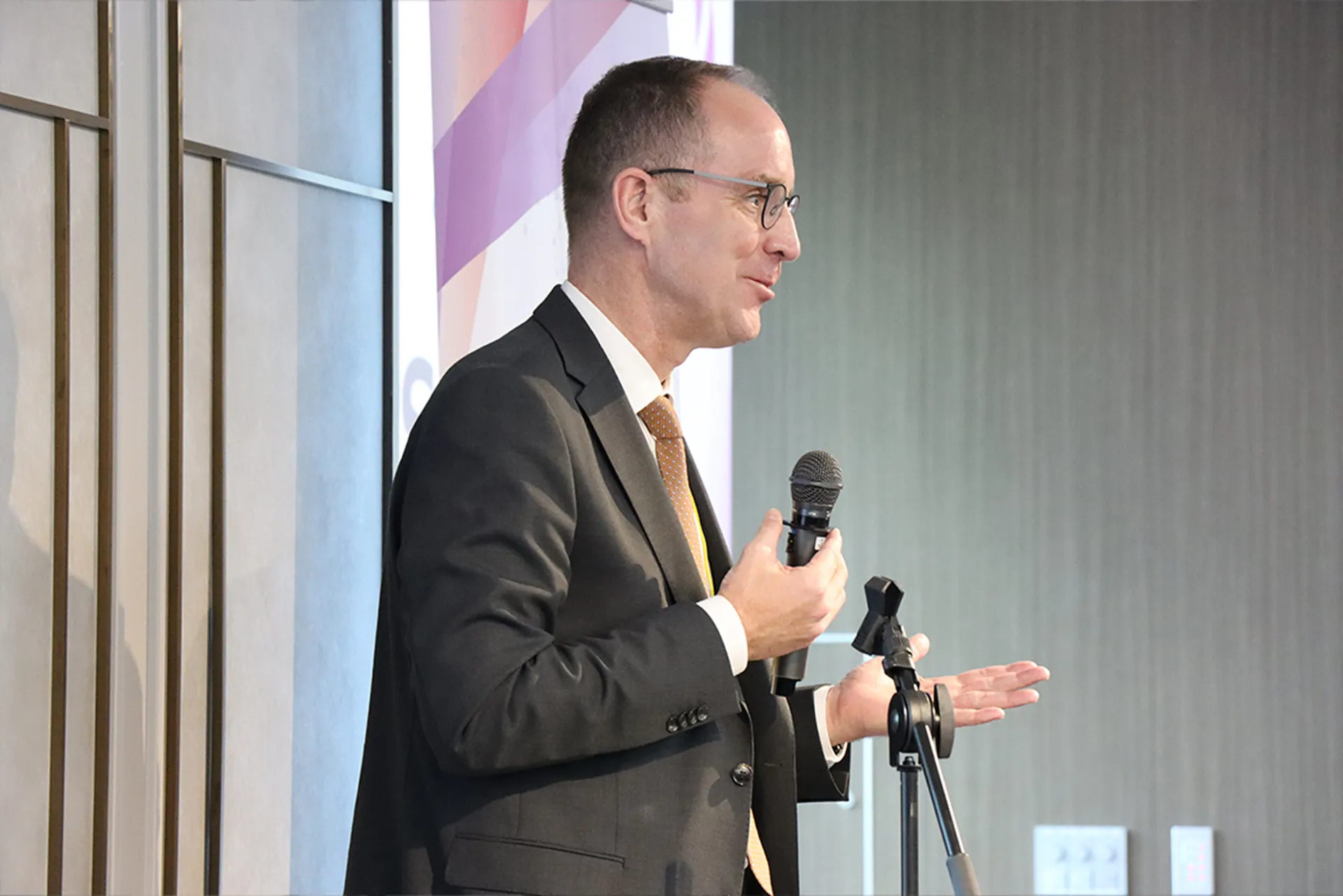
To conclude, Caroline Benton, Executive Director at NAIST, and Thomas Busch, Dean of Graduate School at OIST, shared final reflections:
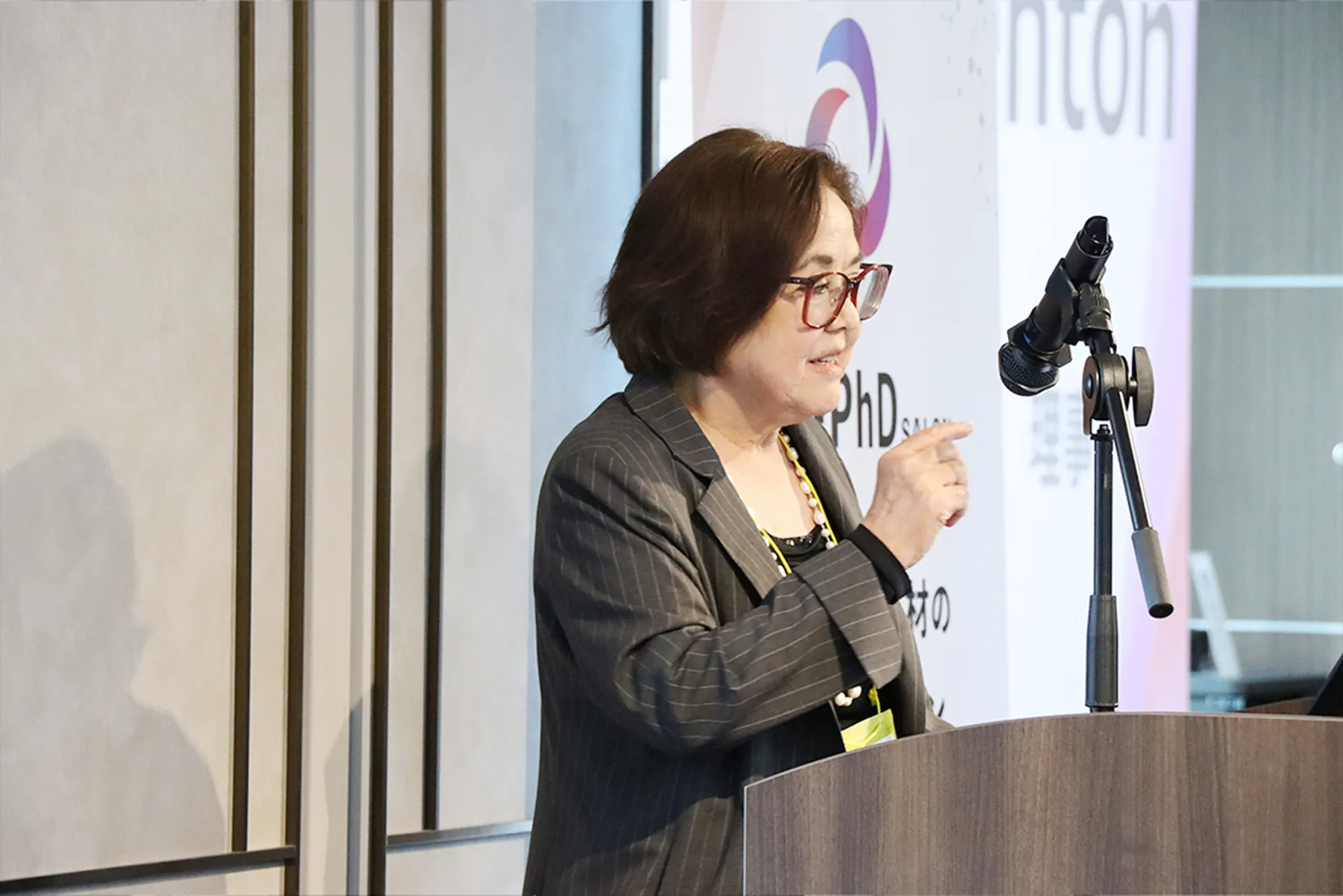
Executive Director of the Nara Institute of Science and Technology (NAIST)
Caroline Benton
Reflecting on her own experience as an international PhD student in Japan, she pointed out structural issues such as the difficulty of accessing information on scholarships and fees, and the fact that most procedures are still Japanese-only. She warned of the lack of a sense of crisis in Japan regarding why PhDs are necessary for innovation, stressing that the triple helix must align to view this as a national growth strategy.

Dean of Graduate School, Okinawa Institute of Science and Technology (OIST)
Thomas Busch

He argued that beyond "practical support" like language aid, a "mindset transformation"—taking risks and embracing new ideas—is essential. He called for this cross-sector momentum to be the driving force in building a more dynamic and competitive Japan.

This symposium reaffirmed that utilizing international PhD talent is not just about "filling labor shortages," but is a "catalyst for organizational transformation" for Japan to innovate and compete globally. The challenge of the TRI-PhD Salon to build a new Japanese industry where diverse talents shine begins in earnest from here.
For details regarding the networking party after symposium, please refer to this article.

Membership & Inquiries The TRI-PhD SALON is actively seeking corporate and municipal members.
Contact: NAIST Career Services Office
Email: career (at) ad.naist.jp

Back to WEB MAGAZINE